Choosing between photomontage vs standard architectural rendering is one of the most important early decisions in a development project. The wrong choice can lead to planning delays, miscommunication or missed sales opportunities.
Across the UK, developers, architects and planning consultants rely on visualisations to explain proposals clearly. Yet not all visuals serve the same purpose. Some are built for accuracy and approval, while others are designed to sell a vision.
This guide explains the difference in practical terms, so you can choose the right approach with confidence.
What Problem Are You Solving?
Before comparing methods, it helps to define the real problem.
You are trying to answer one of two questions:
- Will this development get approved?
- Will this development attract buyers or investors?
Each question requires a different type of visual.
Photomontage supports planning decisions.
Architectural rendering supports commercial outcomes.
Confusing the two is where projects lose time and momentum.
What is an Architectural Photomontage?
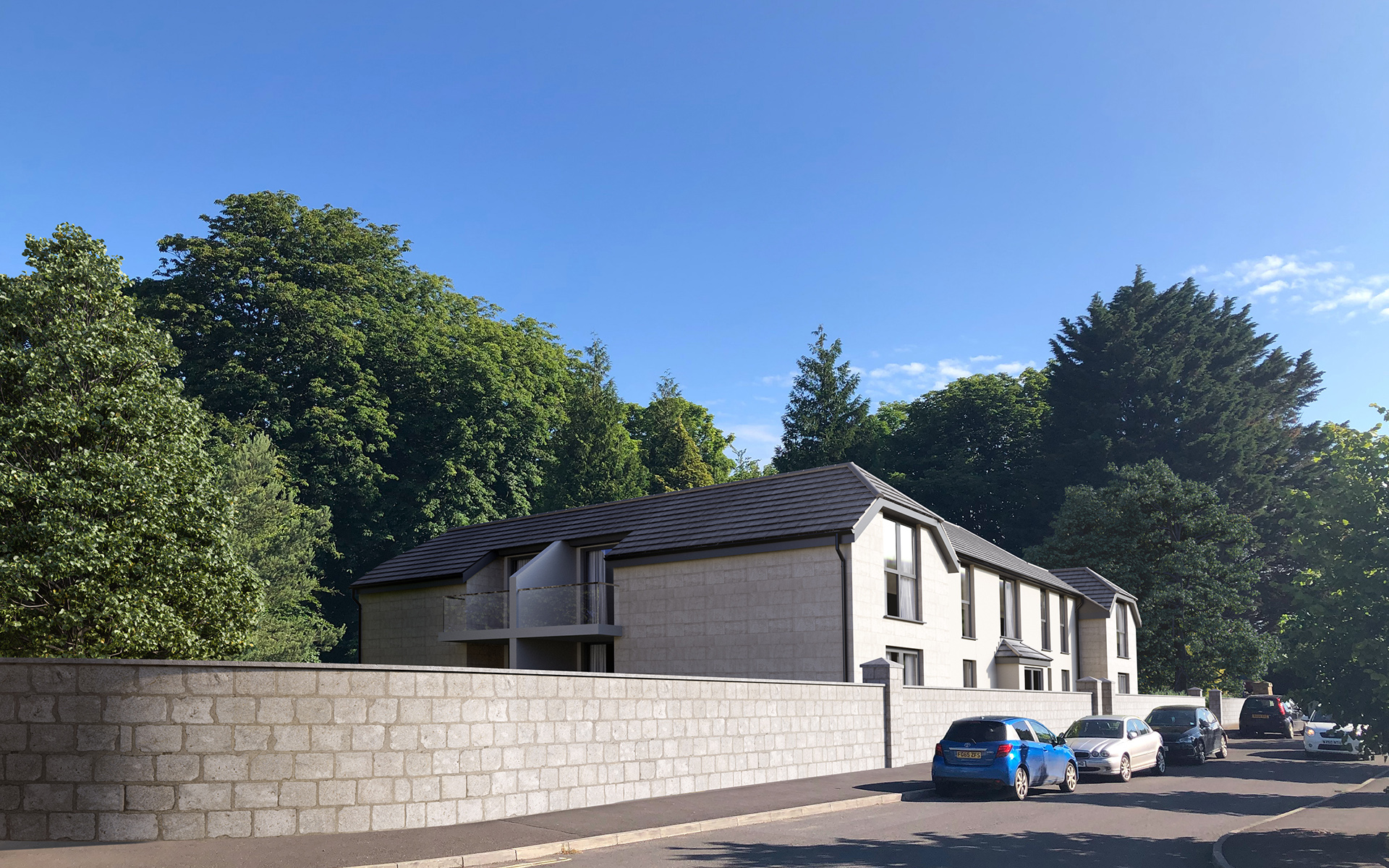
An architectural photomontage combines real world photography with a proposed design.
A photograph of the existing site is taken, then the new development is accurately integrated into that image using 3D modelling and camera matching techniques.
This creates a visual that reflects reality, not interpretation.
Why it matters
Planning officers are not judging design alone. They assess impact.
They need to understand:
- Scale in relation to surrounding buildings
- Material visibility in natural lighting
- Streetscape alignment
- Visual intrusion or harmony
A photomontage answers all of these in a single image.
For projects requiring planning approval, this is not optional. It is expected.
Explore how this works in practice with professional
architectural photomontage services.
What is Standard Architectural Rendering?
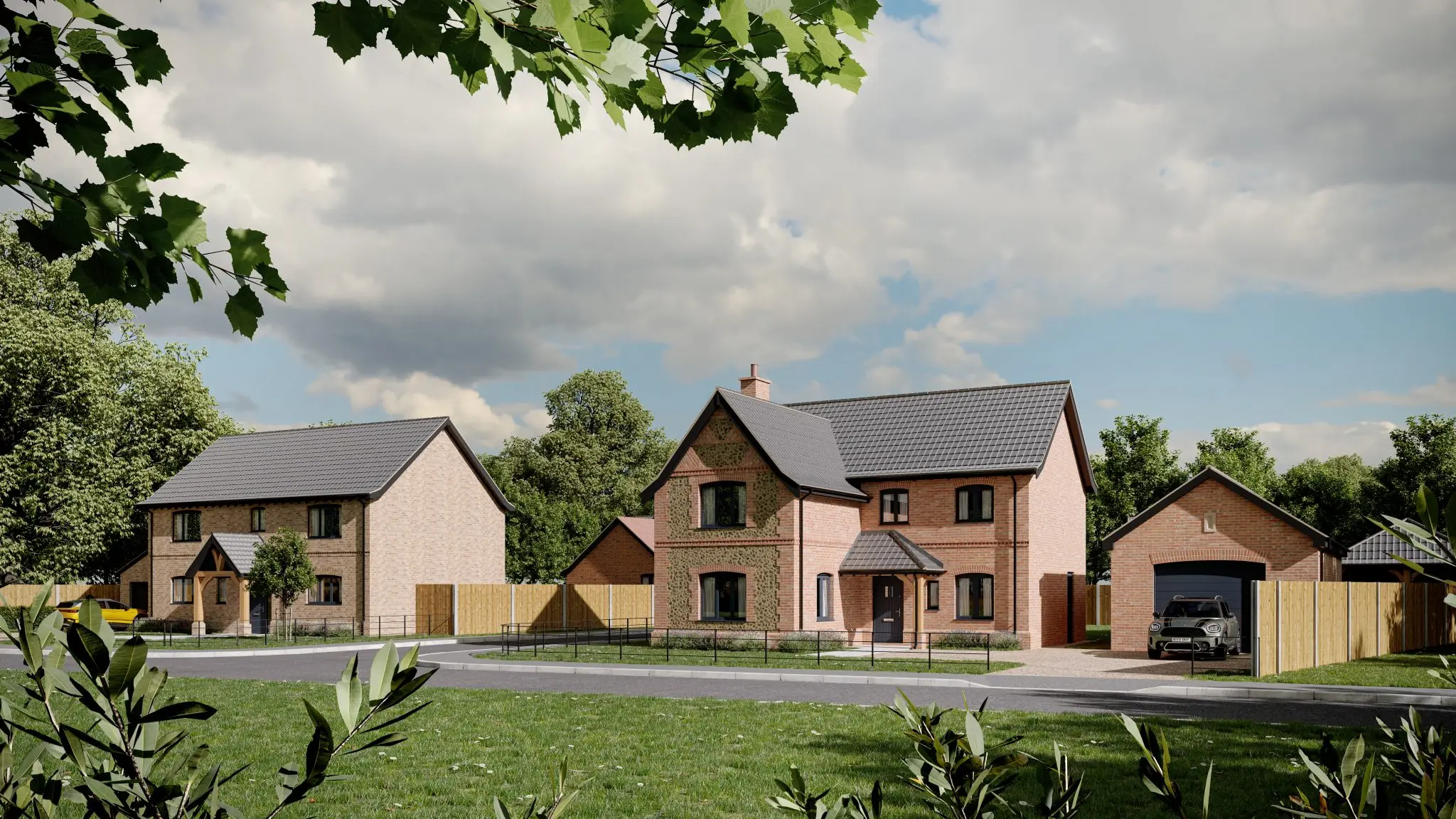
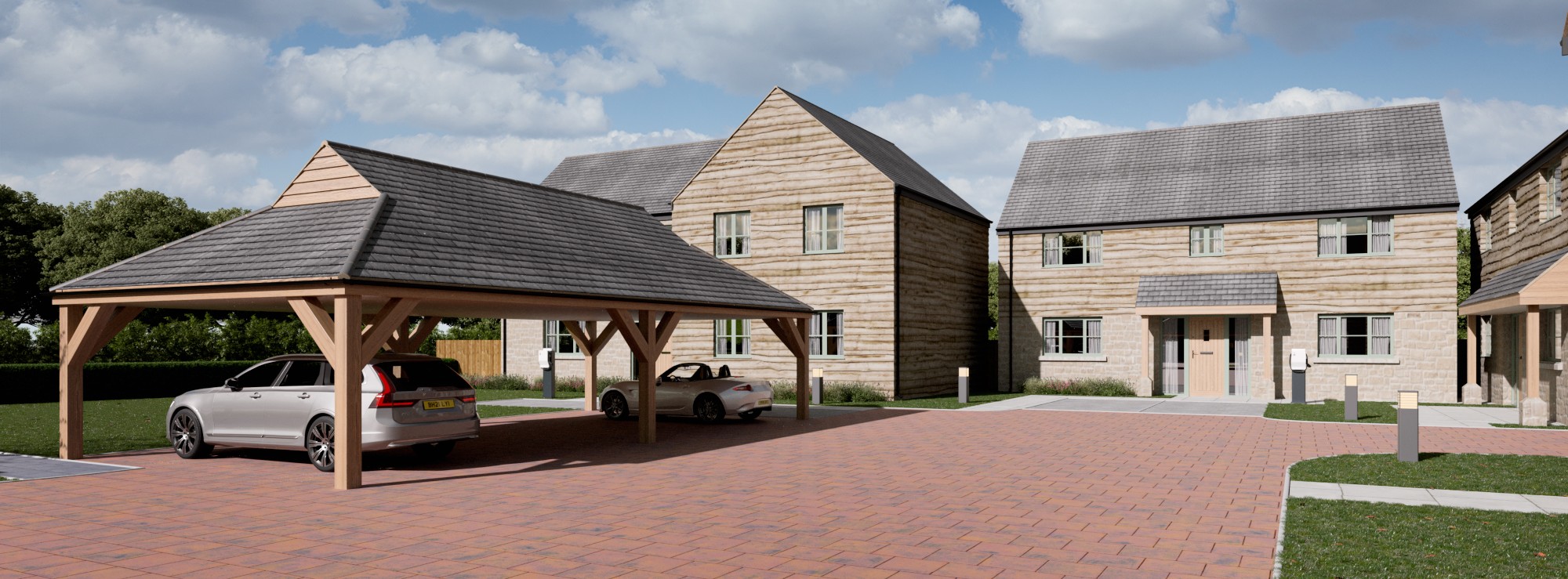
A standard architectural rendering is a fully digital image created from a 3D model.
Everything you see is generated, including:
- Buildings
- Landscaping
- Lighting conditions
- Surrounding environment
These visuals are often highly polished and visually appealing.
Where it works best
Rendering is ideal when the goal is presentation rather than validation.
It is commonly used for:
- Off plan property sales
- Marketing brochures
- Investor presentations
- Website visuals
It allows complete creative control, which is valuable when selling a concept.
Photomontage vs Standard Architectural Rendering: Core Differences
1. Real World Accuracy
Photomontage is grounded in real photography.
Rendering is a controlled simulation.
This distinction is critical when visual credibility matters.
2. Planning Acceptance
Photomontage aligns with UK planning expectations.
According to national planning guidance (https://www.gov.uk/guidance), visual evidence must reflect real world conditions.
Rendering alone rarely meets this requirement.
3. Visual Control
Rendering gives you freedom:
- Adjust lighting
- Improve landscaping
- Highlight architectural features
Photomontage is constrained by reality, which is exactly why it is trusted.
4. Project Stage
Photomontage is used during planning.
Rendering is used during marketing and sales.
They support different phases of the same project.
5. Perception and Trust
Photomontage builds credibility with planners and stakeholders.
Rendering builds emotional appeal with buyers.
Both matter but not at the same time.
When Should You Use Photomontage?
Use photomontage when accuracy cannot be compromised.
This includes:
- Planning applications
- Developments in conservation areas
- Urban infill projects
- Projects facing public scrutiny
In these cases, decision makers need proof, not interpretation.
A precise visual reduces objections and supports faster approvals.
When is Architectural Rendering the Better Choice?
Rendering becomes essential when your audience changes.
Buyers, investors and stakeholders are not assessing compliance.
They are imagining outcomes.
Rendering helps them see:
- Lifestyle potential
- Interior ambience
- Finished quality
It turns a technical design into something tangible.
Can You Combine Both?
Yes and most successful developers do.
A well structured visual strategy includes:
- Photomontage for planning submissions
- Rendering for marketing and sales
This approach ensures your project is both approved and commercially successful.
Relying on only one method often limits results.
How UK Planning Authorities Evaluate Visualisations
Planning officers focus on clarity, accuracy and context.
They ask:
- Does the development dominate the streetscape?
- Does it align with surrounding architecture?
- Does it impact neighbouring properties?
Photomontage provides direct visual evidence.
Rendering can support the narrative but it does not replace it.
This distinction often determines whether a project moves forward smoothly.
Common Mistakes Developers Make
Using the Wrong Visual for the Wrong Stage
Submitting renderings instead of photomontage can weaken an application.
Over polished Visuals
Highly stylised images can reduce credibility in planning contexts.
Ignoring Context
A building never exists in isolation. Surroundings must be considered.
Poor Technical Execution
Inaccurate scale or alignment immediately raises concerns.
Practical Advice Before You Choose
Ask yourself three questions:
- Who is the audience?
- What decision needs to be made?
- At what stage is the project?
If the answer involves planning approval, choose photomontage.
If the answer involves marketing or sales, choose rendering.
If both apply, use both strategically.
FAQs
Photomontage uses real photography with a proposed design inserted. Rendering is fully computer generated.
Photomontage is typically required because it shows accurate real world context.
Yes. It is essential for marketing, sales and stakeholder engagement.
No. They serve different purposes and are most effective when used together.
When done correctly, it reflects real world scale, lighting and context with high precision.
Conclusion
Understanding photomontage vs standard architectural rendering is not just a technical detail. It is a strategic decision that affects planning outcomes and commercial success.
Photomontage provides clarity, accuracy and planning confidence.
Rendering delivers impact, engagement and buyer interest.
The strongest developments use both at the right time.
Ready to Present Your Development with Confidence?
If you need planning ready visuals that stand up to scrutiny or marketing imagery that attracts buyers, expert support makes the difference.
Work with Joanna James Ltd to ensure your project is visualised with precision, credibility and commercial impact.
Request a CGI consultation today and move your project forward with clarity.