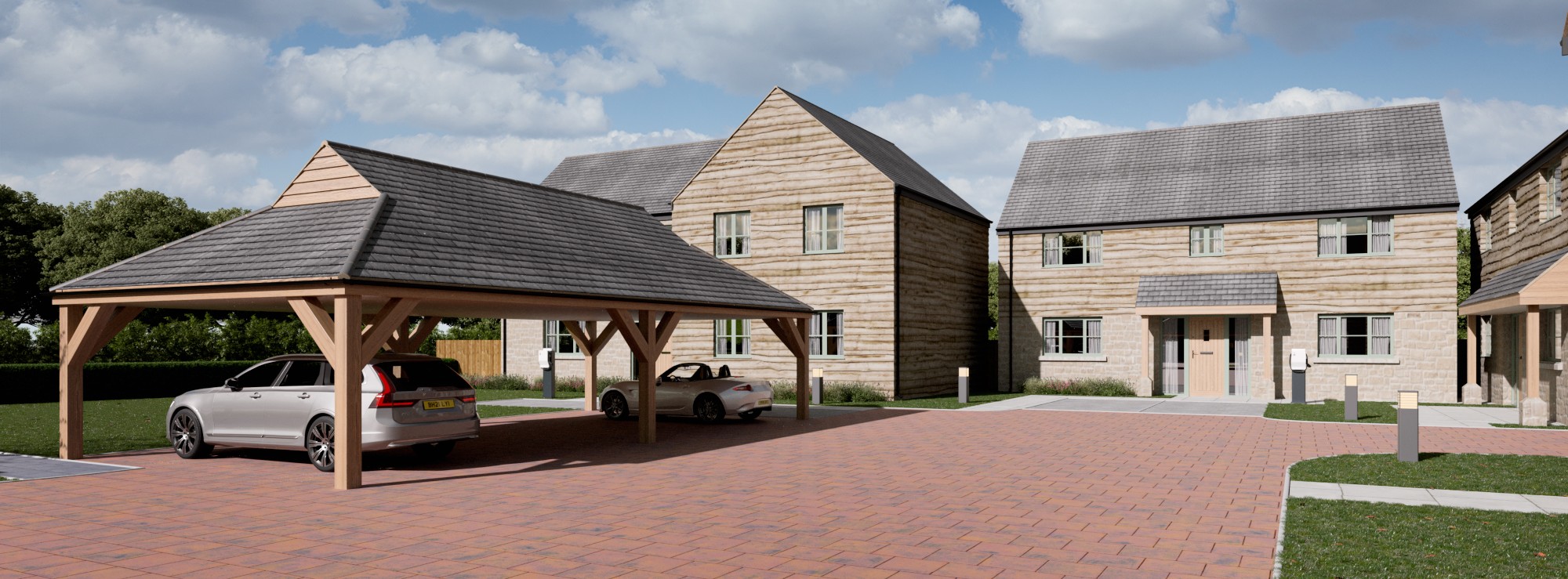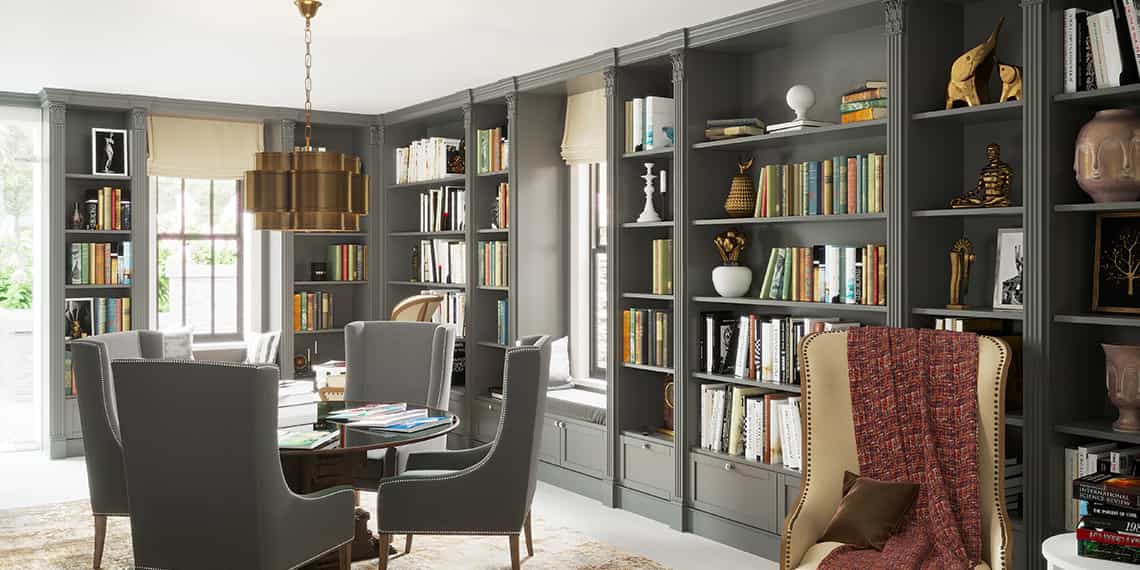

Interior CGI for residential developments plays a central role in how modern schemes are approved, marketed and sold across the UK. Developers are no longer competing on location alone. Buyers and planners expect clarity, accuracy and confidence before a single brick is laid.
Traditional drawings cannot deliver that level of understanding. They leave too much open to interpretation.
Interior CGI changes the conversation. It transforms technical plans into realistic, fully realised spaces that people can assess instantly. That clarity supports planning approval, strengthens investor confidence and drives faster off plan sales.
Why Interior CGI Has Become Essential in UK Residential Development
The expectations placed on developers have shifted. Planning officers demand clearer design intent. Buyers expect to visualise their future home. Investors want reassurance before committing capital.
Interior CGI answers all three.
The Core Problem Developers Face
Without clear visualisation:
- Planning submissions lack impact
- Buyers struggle to understand layouts
- Sales cycles slow down
- Design risks remain hidden
This creates friction at every stage of a project.
The Role of CGI in Solving It
Interior CGI provides:
- Clear representation of space and layout
- Accurate lighting and material finishes
- Realistic atmosphere and scale
- Visual confidence for decision makers
For developers operating in competitive UK markets, that clarity is no longer optional.
What Is Interior CGI for Residential Developments?
Interior CGI refers to high quality 3D visualisations that depict internal spaces before construction begins. These visuals are built using architectural drawings, technical specifications and real world lighting data.
They typically include:
- Open plan living areas
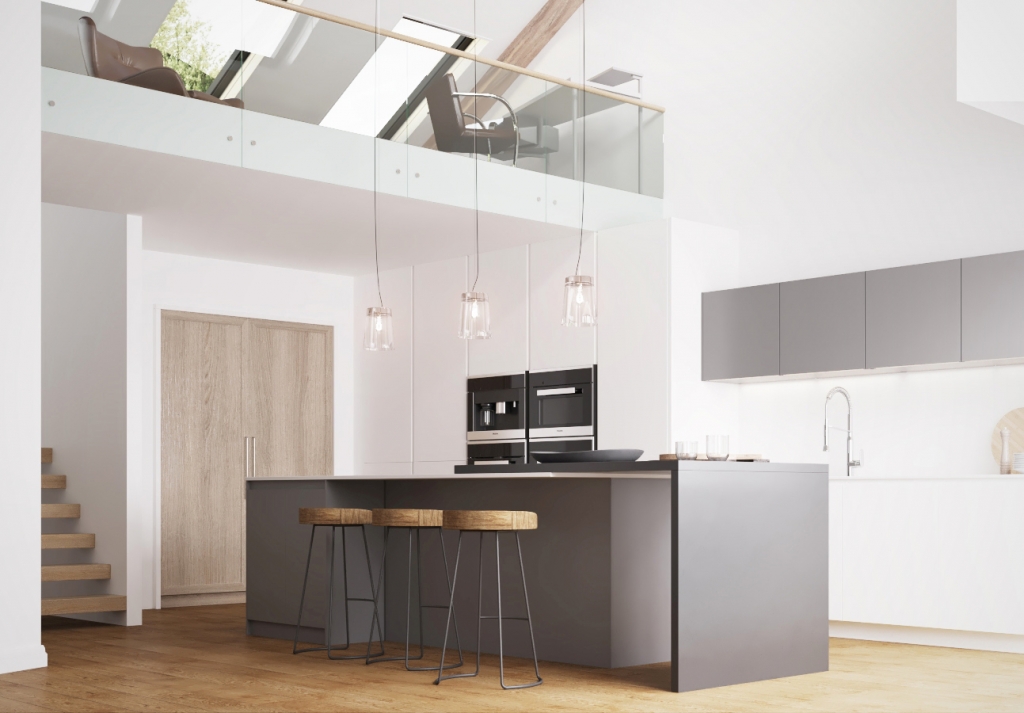
- Kitchens and dining spaces
- Bedrooms and bathrooms
- Apartment interiors and communal areas
- Material finishes and interior styling
Unlike basic renders, professional CGI reflects how a space will actually feel when built.
You can explore real examples through our
interior CGI visualisations service, where accuracy and realism are central to every project.
How Interior CGI Supports Planning Approval
Does interior CGI improve planning success?
Yes, significantly.
Planning officers must assess more than external appearance. They evaluate how spaces function internally, especially in dense residential schemes.
Interior CGI helps demonstrate:
- Natural light distribution
- Space usability and flow
- Compliance with design standards
- Overall living quality
Clear visuals reduce ambiguity and make applications easier to assess.
According to the UK Government’s design guidance for planning and development, well-communicated design intent is a key factor in planning decisions.
How Interior CGI Drives Off Plan Sales
Why do buyers respond better to CGI?
Buyers are not trained to read floor plans. They rely on visual understanding.
Interior CGI allows them to:
- See room proportions clearly
- Understand layout and flow
- Visualise furniture placement
- Experience light and atmosphere
That shift from abstraction to realism creates confidence.
The Commercial Impact
Developments using high quality CGI typically benefit from:
- Faster buyer engagement
- Increased enquiry rates
- Higher perceived value
- Reduced reliance on show homes
This directly improves return on investment.
Key Features of High Quality Interior CGI
Not all CGI delivers results. The difference lies in execution.
1. Accurate Lighting Simulation
Lighting defines perception. Effective CGI reflects:
- Natural daylight direction
- Seasonal lighting conditions
- Interior artificial lighting
2. Realistic Materials and Textures
Surfaces must behave as they do in reality:
- Wood grain depth
- Stone reflection
- Fabric softness
3. True to Scale Modelling
Even small inaccuracies affect trust. Every element must align with architectural plans.
4. Contextual Interior Styling
Design must reflect the target buyer. A city apartment requires a different approach from a family home in a suburban development.
When Should Interior CGI Be Used?
Interior CGI delivers value across multiple stages of a project.
Planning Stage
Strengthens submissions and reduces objections.
Pre Sales Phase
Enables marketing before construction begins.
Investor Presentations
Provides clarity for funding decisions.
Design Development
Helps refine layouts and materials early.
Interior CGI vs Traditional Visualisation
Is CGI better than standard renders or drawings?
In almost every case, yes.
Traditional methods lack:
- Realistic lighting
- Material accuracy
- Emotional engagement
Interior CGI aligns with how modern audiences consume information. It reflects the visual standards people expect today.

Common Mistakes Developers Should Avoid
Over Stylised Interiors
Highly unrealistic visuals reduce credibility. Buyers notice when spaces feel artificial.
Ignoring the Target Market
Design must match buyer expectations. Misalignment reduces engagement.
Poor Lighting Representation
Flat lighting creates lifeless visuals. It weakens impact immediately.
Inconsistent Visual Quality
Using mixed quality CGI across a project damages trust. Consistency is critical.
How Interior CGI Fits Into a Wider Marketing Strategy
Interior CGI should be integrated across all project touchpoints:
- Planning documentation
- Sales brochures
- Development websites
- Digital marketing campaigns
Consistency across these channels reinforces credibility and strengthens brand positioning.
Choosing the Right Interior CGI Partner
Selecting the right CGI provider affects the entire outcome of your project.
Look for:
- Experience with UK residential developments
- Understanding of planning requirements
- Proven visual accuracy
- Consistent portfolio quality
At Joanna James Ltd, the focus is on precision, not just aesthetics. Visuals are created to support real decisions, not just marketing visuals.
Frequently Asked Questions
Most projects are completed within a few weeks, depending on complexity and revisions.
Yes. Accurate specification ensures visuals reflect real design intent.
Absolutely. Smaller schemes benefit just as much from clear visualisation, especially for off plan sales.
Conclusion
Interior CGI for residential developments has become a core requirement in UK property development. It supports planning approval, improves buyer engagement and reduces design risk.
Developers who invest in accurate visualisation gain a clear competitive advantage. They communicate ideas more effectively, build trust faster and convert interest into sales more efficiently.
Request a CGI Quote
If you are planning a residential development and need precise, high quality visuals, now is the right time to act.
Visit our
interior CGI visualisations page
to see how we support developers across the UK or request a tailored quote today.
Clear visuals lead to confident decisions.