Exterior vs interior CGI is an important decision for architects, developers, planners and property consultants who need to present a project clearly before it is built. The right visual depends on what the viewer needs to understand: the building in its setting or the experience of the internal space.
For UK planning, exterior CGI is usually the stronger starting point because it shows context, massing, materials, access and neighbouring relationships. For sales, leasing and stakeholder presentations, interior CGI can be more effective because it shows layout, finishes, lighting and how the completed space may feel.
Choosing the correct visual early helps reduce wasted revisions, sharpen the brief and make each image work harder for the project.

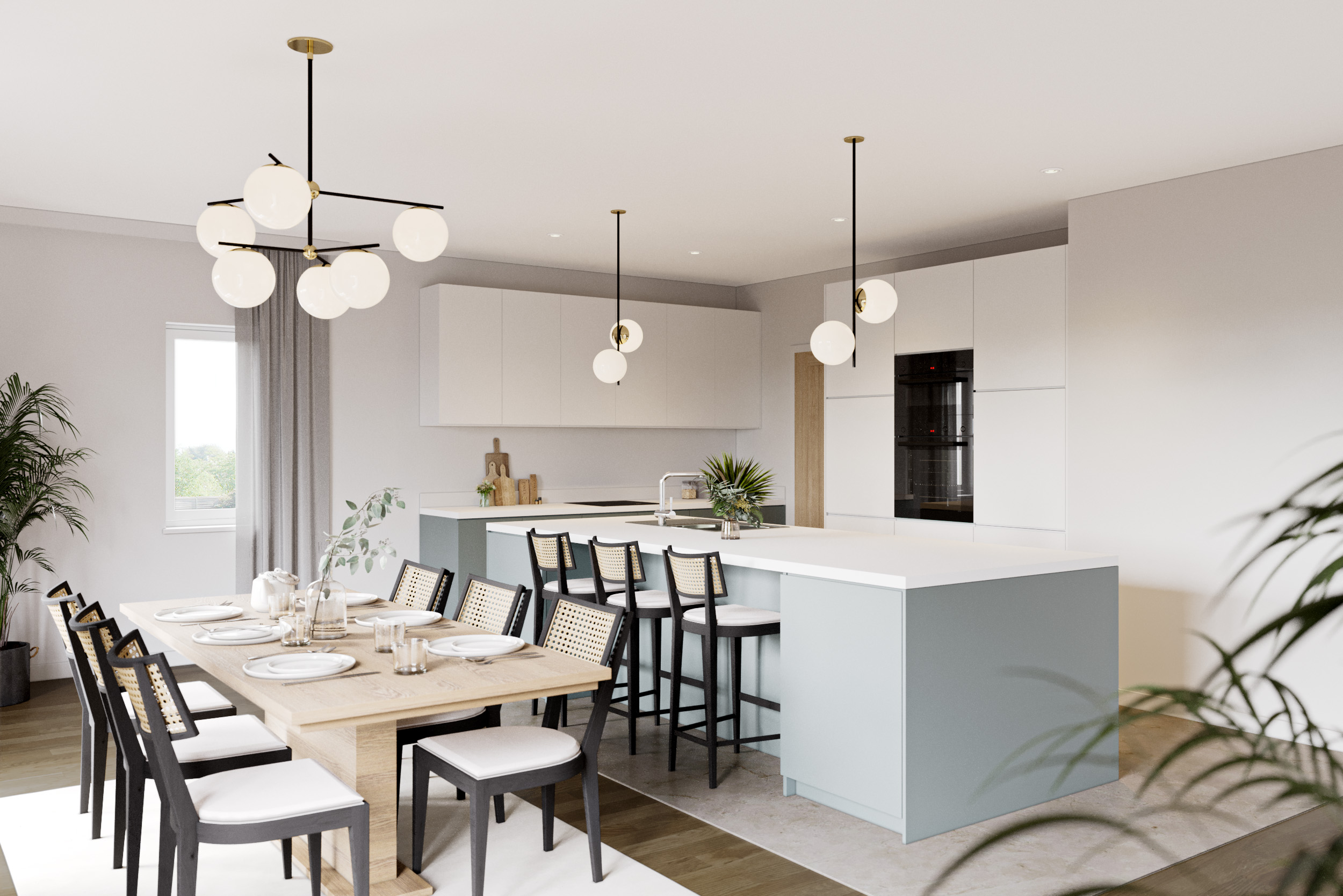
Exterior vs interior CGI: the direct difference
Exterior CGI shows the outside of a proposed building, while interior CGI shows the internal spaces, finishes and user experience.
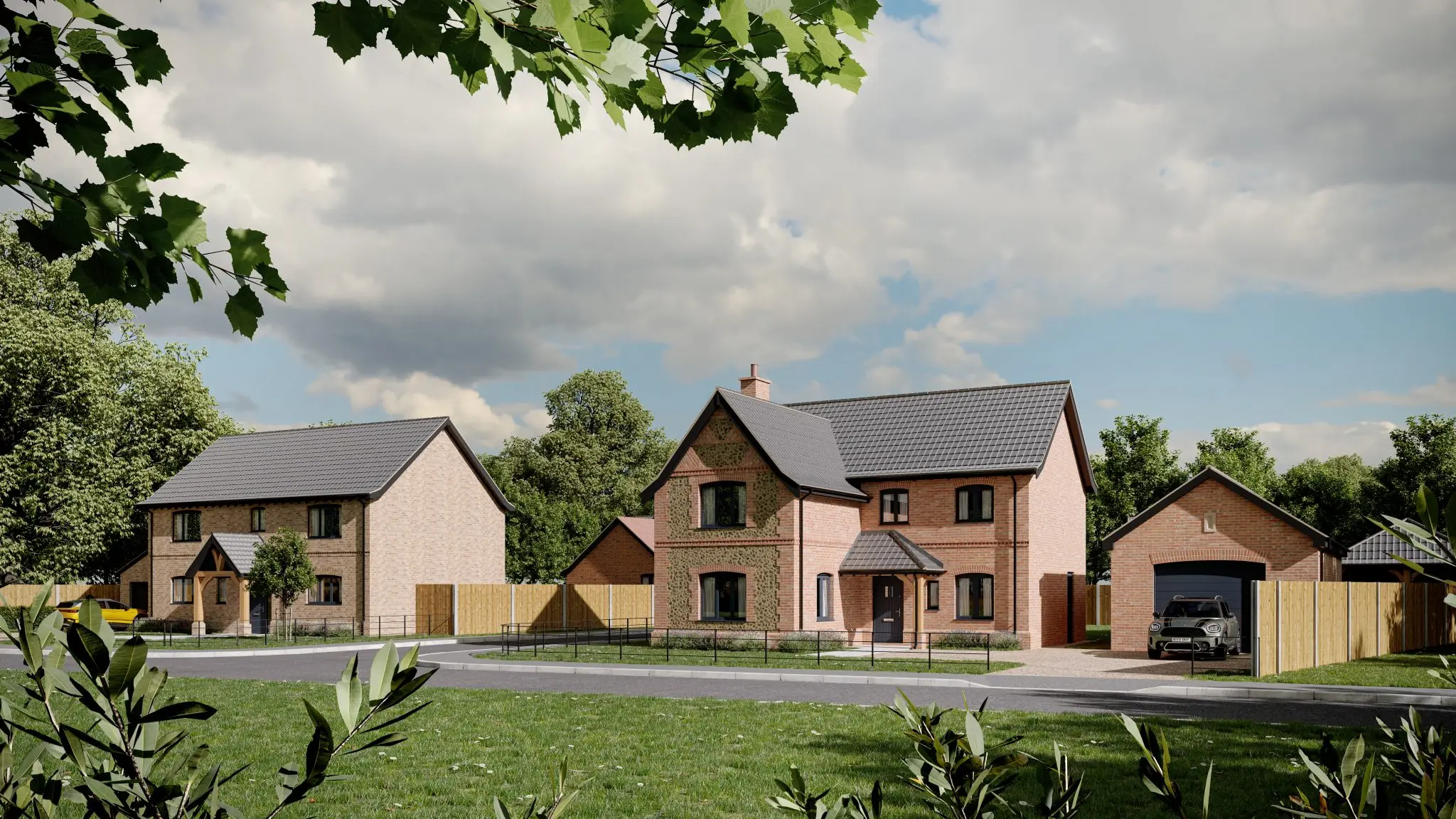
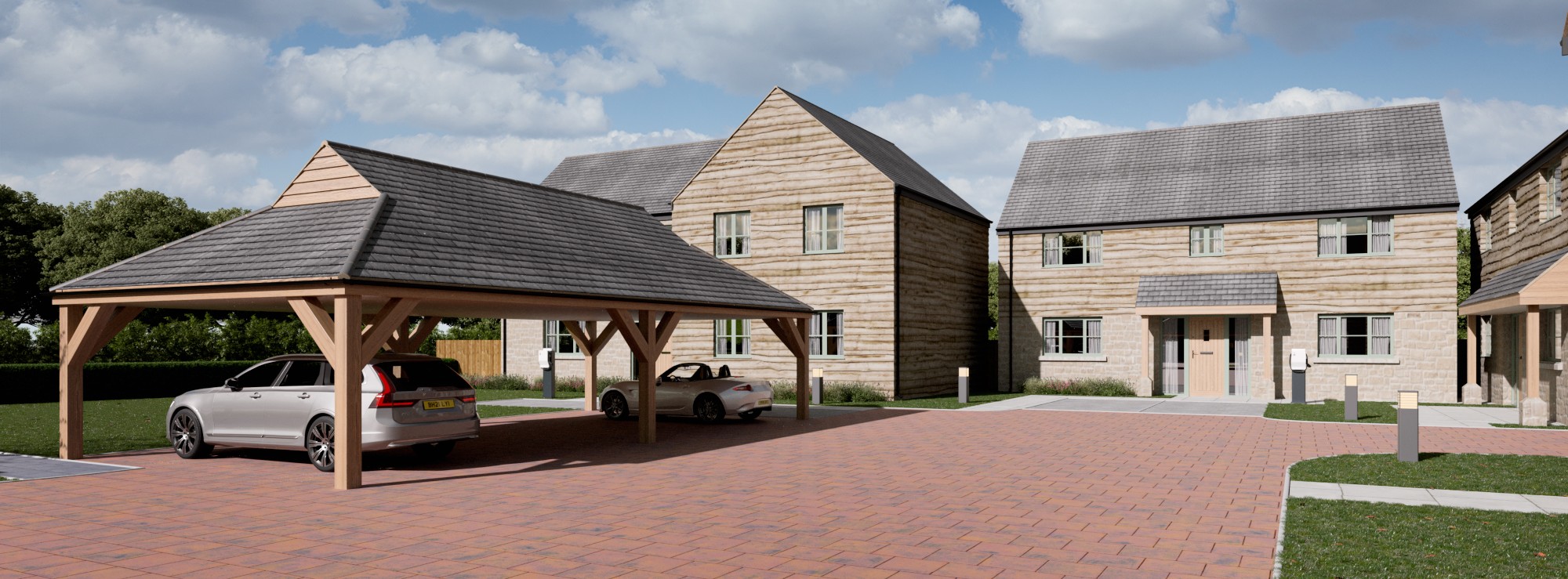
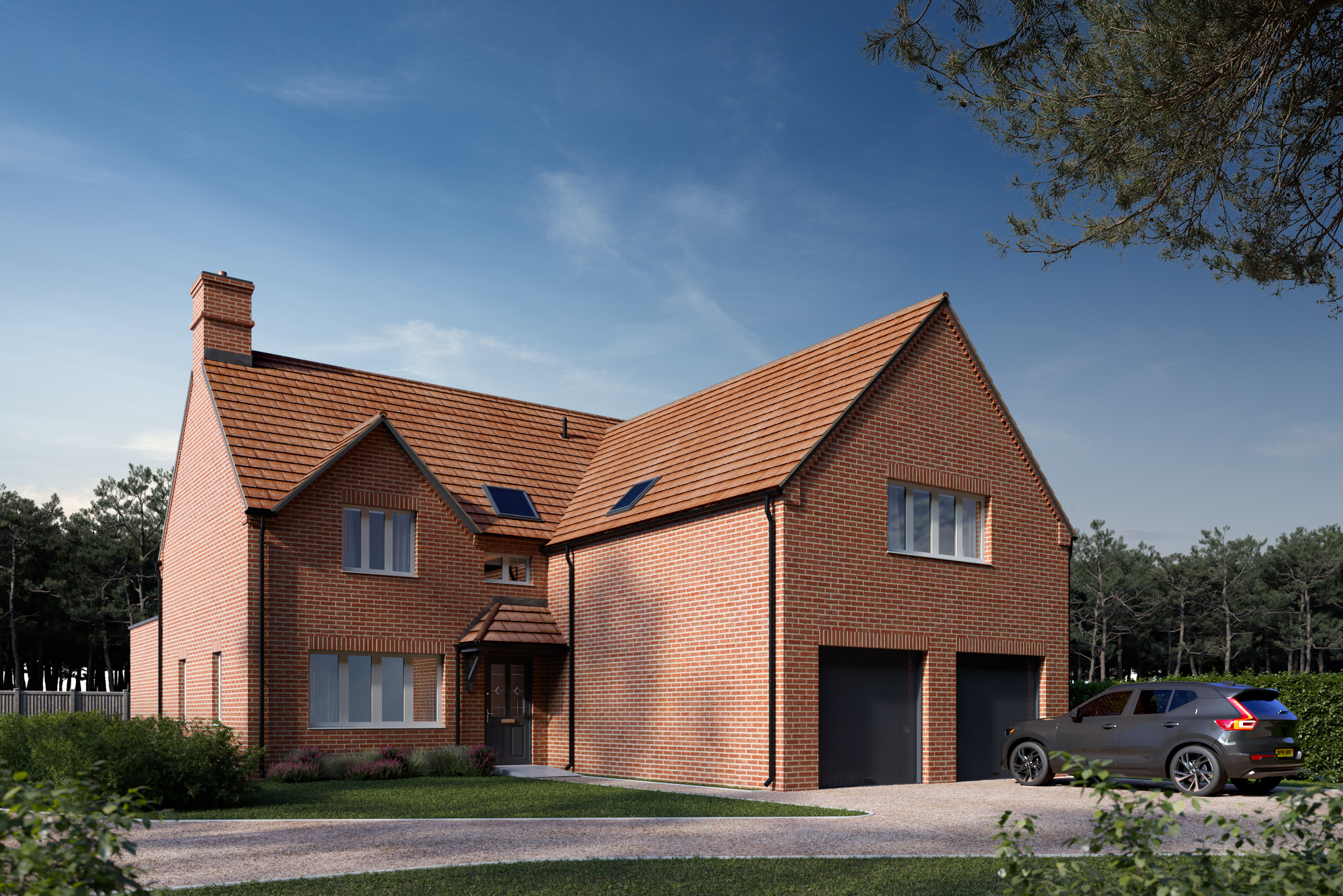
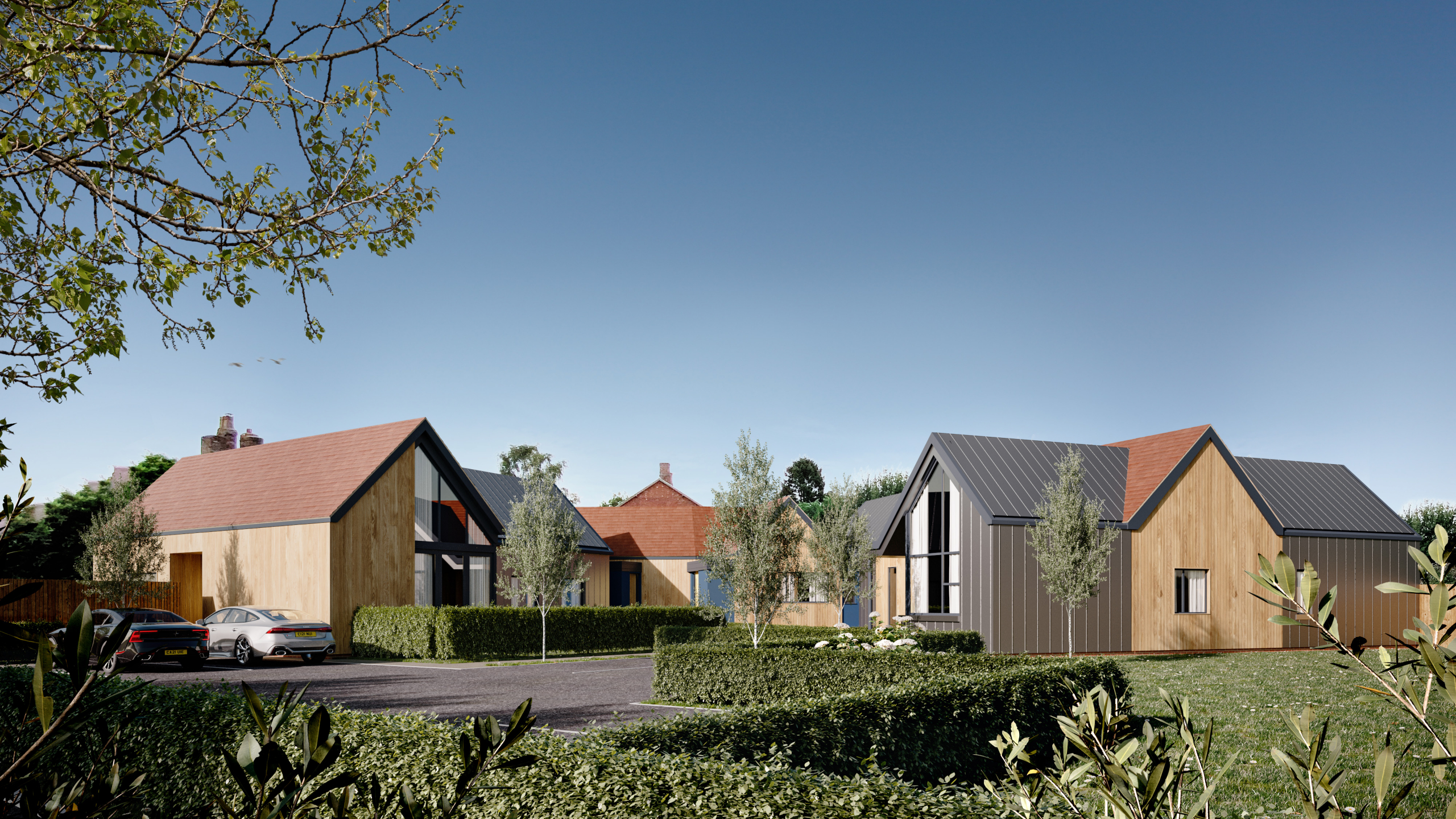
Exterior CGI is used when the audience needs to understand how a building sits within its site. It can show the façade, roof form, glazing, landscaping, street scene, access points, boundary treatments and surrounding development.
Interior CGI is used when the audience needs to understand the value and usability of a space. It can show room layout, circulation, furniture, finishes, lighting, views, ceiling heights and material quality.
In simple terms, exterior CGI explains the development from the outside. Interior CGI explains the space from the inside.
For a wider overview of visualisation outputs, Joanna James provides CGI Visualisations for planning, design and property marketing projects.
When exterior CGI is the right choice
Exterior CGI is usually the right choice when the project needs to communicate scale, context, architectural form or planning impact.
For planning applications, exterior visuals can help show how a proposed scheme relates to nearby buildings, roads, public views, landscape features and site boundaries. They are particularly useful when decision makers need to understand massing, materials, rooflines, glazing, access and the relationship between the proposal and its surroundings.
Exterior CGI is also useful for public consultation, design review, investment presentations and development marketing. It gives the viewer a clear view of the project’s external appearance before construction begins.
Common uses include:
- Planning application visuals
- New build development CGI
- Street scene images
- Site context CGI
- External architectural renders
- Planning boards and consultation material
- Development brochures and launch campaigns
Where planning context is important, exterior CGI visualisations can provide a clearer project narrative than a standalone internal render.
When interior CGI is the right choice
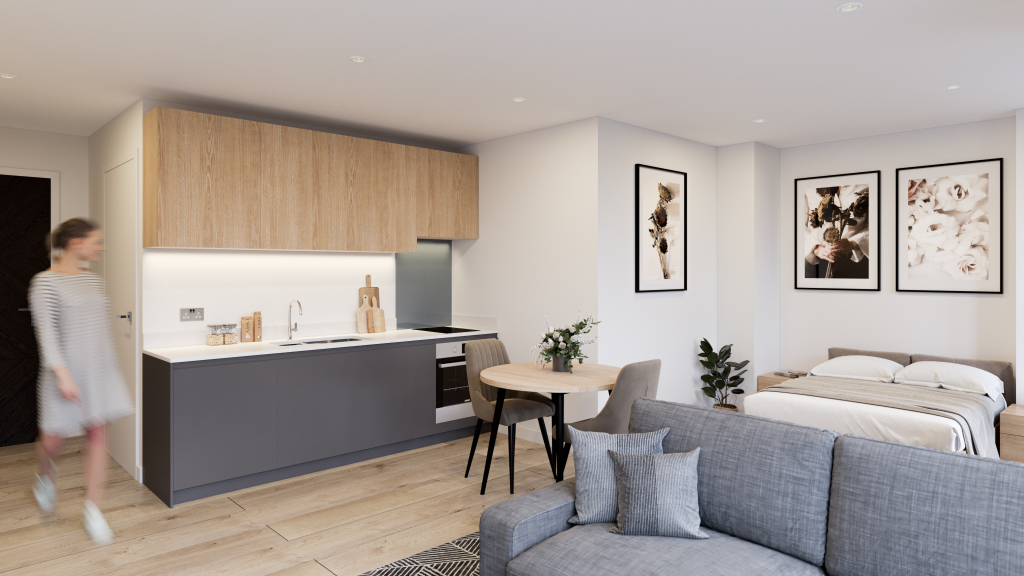
Interior CGI is the right choice when the project needs to sell, explain or test the internal experience of a proposed space.
For developers, interior CGI can help buyers, tenants and investors understand a space that does not yet exist. This is valuable for off plan residential schemes, commercial interiors, show homes, workspace proposals, hospitality spaces and high value property marketing.
Interior CGI can show how the final space may feel in practice. It can communicate finishes, furniture layouts, natural light, artificial lighting, room proportions and the relationship between key areas.
Common uses include:
- Off plan property marketing
- Sales brochure visuals
- Show home presentations
- Commercial interior previews
- Apartment and residential interiors
- Office and workspace CGI
- Investor and stakeholder packs
- Design presentation visuals
For sales-led projects, interior CGI visualisations can help turn technical drawings into images that feel easier to assess, discuss and approve.
Exterior CGI for planning applications
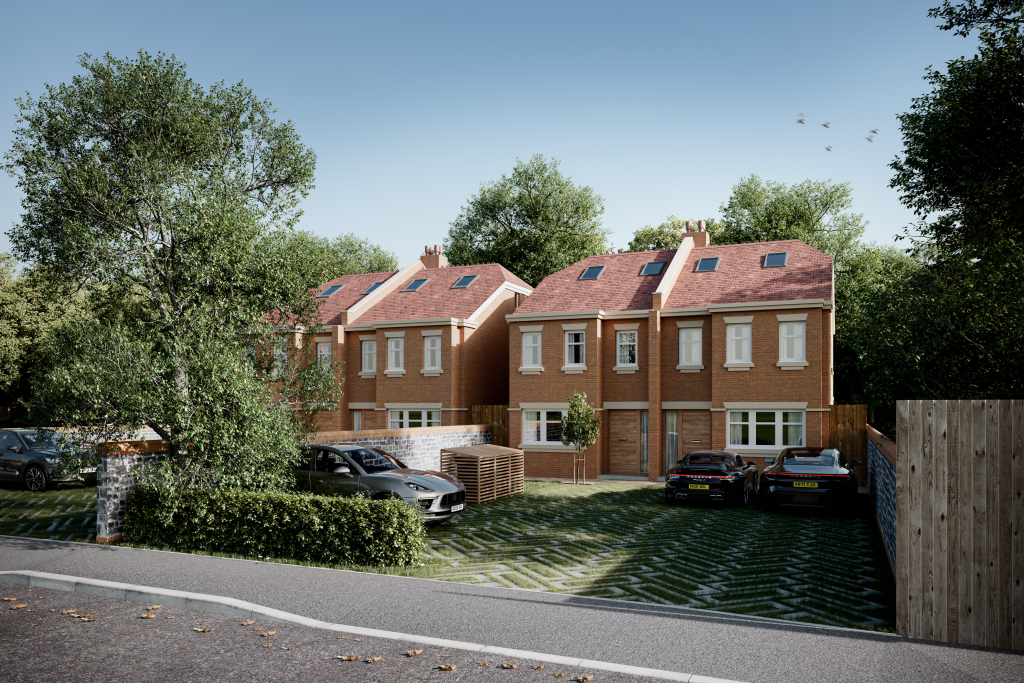
Exterior CGI is often the stronger option for planning applications because it shows the proposed development in relation to the site and surrounding area.
A planning focused visual needs to answer practical questions. How large will the building appear? How will the materials sit next to nearby properties? What is the street scene impact? How does the design respond to its setting?
For some projects, a CGI render may need to sit alongside site plans, elevations, design and access statements, mapping, survey information and supporting planning documents. In more sensitive locations, a photomontage may be more suitable because it places the proposed design into an existing view.
For schemes where the existing view matters, architectural photomontage can help communicate scale, appearance and context more clearly than a CGI image shown in isolation.
Exterior CGI is not just about showing an attractive building. For planning work, it should support the professional case being made.
Interior CGI for property marketing
Interior CGI is usually stronger for property marketing because it helps people understand how a completed space may look, feel and function.
A floor plan can show dimensions but it cannot always communicate atmosphere. Interior CGI can show warmth, light, materials, furniture and finish quality. This is especially useful where buyers or tenants are making decisions before the project is built.
For residential developments, interior CGI can support off plan sales, show home campaigns, sales brochures and website listings. For commercial schemes, it can help tenants and investors assess workplace quality, layout, specification and brand fit.
Interior visuals can also help project teams compare finish options before committing to a final specification. Used well, they support both marketing and design communication.
For housebuilders and developers, new build CGI visuals can support launch campaigns, early sales material and professional presentation packs.
Technical information needed for exterior and interior CGI
Good CGI depends on clear source information, so the brief should match the visual type.
For exterior CGI, useful inputs may include CAD drawings, elevations, site plans, roof plans, material schedules, topographical information, aerial photos, OS mapping and site photography. Where the site context is important, mapping and survey data can help the visualisation process start from a stronger technical base.
For interior CGI, useful inputs may include floor plans, sections, furniture layouts, finish schedules, lighting references, ceiling plans, Revit models, SketchUp files, DWG files and mood boards. If some details are still being developed, the brief should separate fixed design information from indicative styling.
For complex sites, 3D models can support the visualisation workflow by helping project teams understand massing, levels, site relationships and spatial form before final CGI outputs are prepared.
The clearer the source material, the easier it is to produce a CGI visual that supports the right decision.
Common mistakes when choosing exterior vs interior CGI
The most common mistake is choosing the visual that looks most impressive rather than the visual that answers the project question.
For planning led schemes, interior CGI may look polished but it may not answer the planning concerns that matter most. External form, scale, materials, neighbouring relationships, access and site context are usually more relevant at that stage.
Another common mistake is briefing exterior CGI without enough surrounding context. A building shown on its own may look clean but it may not help planners, consultants or stakeholders understand how the proposal works on the real site.
Interior CGI can also fall short when the design brief is too loose. If finishes, lighting, furniture and material references are not agreed, the image may become a design exploration rather than a clear presentation tool.
A further risk is leaving CGI until the end of the project. Strong visualisation often depends on drawings, mapping, survey information, material decisions and review time, so it should be planned into the project programme.
How to decide which CGI visual your project needs
The best way to choose between exterior and interior CGI is to define the decision the image needs to support.
Use exterior CGI if the main question is:
- How will the building look on the site?
- Will the scale and massing be clear?
- How will the materials appear externally?
- What will the street scene or public view look like?
- How does the proposal relate to neighbouring properties?
- Is the visual needed for planning, consultation or development presentation?
Use interior CGI if the main question is:
- How will the space feel when complete?
- Will buyers or tenants understand the layout?
- Do the finishes need to be communicated clearly?
- Is the image needed for a brochure, website or sales pack?
- Will the visual help stakeholders assess the internal specification?
- Does the project need to support off plan marketing?
Use both when the project needs to explain the building externally and sell or present the internal experience. This is common for new build developments, commercial schemes, residential marketing and stakeholder led projects.
Practical checklist before briefing CGI visuals
Before commissioning exterior or interior CGI, confirm the purpose of the image and the information available.
- Define whether the visual is for planning, sales, design review, consultation or stakeholder presentation.
- Decide whether the viewer needs external context, internal experience or both.
- Gather drawings, plans, elevations, sections and any available 3D model files.
- Provide material references, finish schedules and design notes.
- Confirm whether OS mapping, LiDAR, aerial photos or survey data may be needed.
- Identify required viewpoints, angles, image sizes and output formats.
- Mark any details that are still indicative or subject to design change.
- Allow time for draft review, comments and amendments.
- Choose photomontage where the proposed building must be shown within an existing view.
- Choose interior CGI where finish quality, layout and user experience are central to the decision.
A clear brief helps the CGI team focus on the information that matters rather than producing visuals that need repeated clarification.
How Joanna James supports CGI visualisation work
Joanna James supports CGI visualisation by connecting strong visual output with the technical information behind the project.
For planning and development teams, this means CGI can sit alongside mapping, site data, 3D modelling, aerial imagery and survey led information. This is particularly valuable where a visual needs to do more than present a polished image. It needs to explain the proposal clearly.
The CGI Visualisations service includes exterior CGI, interior CGI, photomontage, new build visuals, CGI site plans, close up CGI and property marketing visuals. This allows the visual format to be matched to the project stage, audience and planning or commercial objective.
For architects, planners, developers and property consultants, the practical benefit is a more focused visual brief. The image can be created around planning, design, sales or stakeholder needs from the start.
Frequently Asked Questions
Exterior CGI shows the outside of a proposed building, while interior CGI shows the internal space, finishes and layout. Exterior CGI is usually used for planning, context and development presentation. Interior CGI is usually used for sales, leasing and design communication.
Exterior CGI is usually better for planning applications because it shows scale, appearance, materials and site context. Planning teams often need to understand how a proposal relates to neighbouring buildings, public views, access and the surrounding area.
A developer should use interior CGI when the internal space needs to support sales, leasing, investment or stakeholder confidence. It is especially useful for off plan homes, show apartments, office interiors, commercial spaces and brochure visuals.
You need both exterior and interior CGI when the project must explain the building externally and present the internal experience clearly. This is common for property developments, commercial schemes, residential sales campaigns and projects with both planning and marketing needs.
CGI visuals usually need drawings, elevations, plans, material references and clear viewpoint requirements. Depending on the project, CAD files, Revit models, SketchUp files, OS mapping, aerial photos, LiDAR and survey information may also support accuracy and context.
Request a CGI Quote
Exterior vs interior CGI should be chosen around the decision your audience needs to make. For planning, that often means exterior CGI, site context and photomontage. For sales or leasing, it often means interior CGI, finish quality and spatial experience.
Joanna James can help UK project teams choose the right CGI format and prepare a clear visual brief. Request a CGI Quote to discuss the views, data and outputs your project needs.