
Lighting and Materials in Interior CGI Rendering
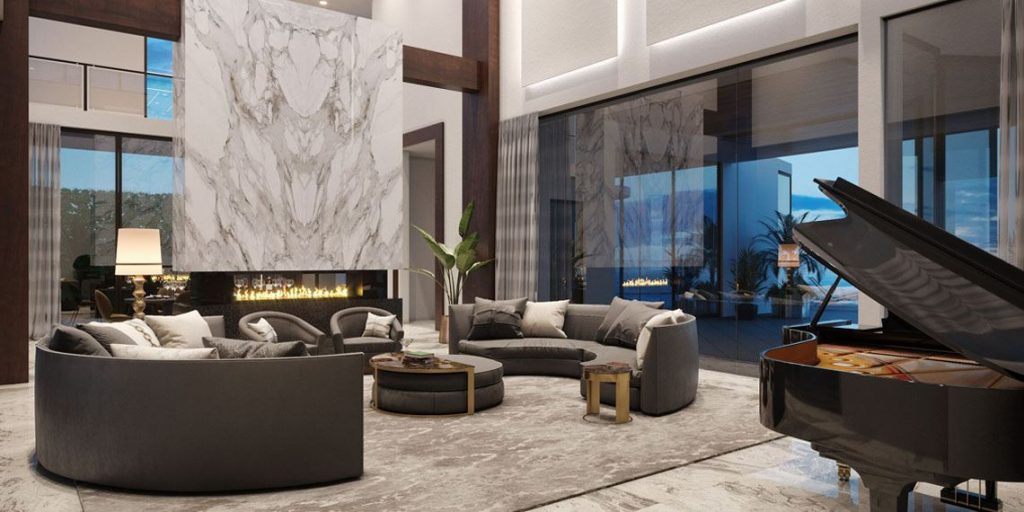
Lighting and materials in interior CGI rendering are what separate a convincing visual from one that feels artificial. In UK property development, this is not a minor detail. It directly affects planning outcomes, investor confidence and off plan sales performance. When a render accurately shows how light behaves across real materials, the space becomes believable. When it does not, stakeholders hesitate. That gap is where many projects lose momentum. This guide explains how lighting and materials work together, why they matter commercially and how to ensure your CGI delivers real value. Why Lighting and Materials Define Interior CGI Quality At a surface level, CGI creates a visual. In reality, it simulates physics. Lighting controls how a space is perceived. Materials control how that light behaves. Together, they influence: Depth and spatial clarity Atmosphere and mood Material authenticity Buyer perception Planning officer understanding A technically correct model without these elements refined will still look flat. A well executed render feels like a photograph. What Is Lighting in Interior CGI Rendering? Lighting in CGI replicates real world illumination using physically accurate systems. It includes natural daylight, artificial fixtures and indirect light bounce. Natural Daylight Simulation This is critical for UK based developments. It considers: Geographic sun position Seasonal daylight variation Window orientation Shadow direction For planning applications, this level of realism supports clarity and aligns with expectations for accurate visual representation, as outlined in the UK planning application guidance. Artificial Lighting Design Artificial lighting defines how a space functions. Typical sources include: Downlights Pendant lighting Wall lighting Feature lighting Each source must be balanced carefully. Overlighting removes depth. Underlighting reduces usability. Global Illumination Realism comes from restraint and accuracy. Key principles include: Correct colour temperature for UK interiors Natural shadow gradients Balanced contrast levels Accurate reflection behaviour For example, a Gloucestershire residential interior should reflect softer daylight conditions, not overly bright or harsh lighting. This level of precision builds trust with planners and buyers. Global illumination simulates how light bounces between surfaces. This creates: Soft shadows Natural brightness distribution Realistic contrast Without it, renders appear sharp and unrealistic. What Makes CGI Lighting Look Real? Realism comes from restraint and accuracy. Key principles include: Correct colour temperature for UK interiors Natural shadow gradients Balanced contrast levels Accurate reflection behaviour For example, a Gloucestershire residential interior should reflect softer daylight conditions, not overly bright or harsh lighting. This level of precision builds trust with planners and buyers. How Materials Work in Interior CGI Rendering Materials define how surfaces interact with light. Modern CGI uses physically based rendering (PBR), which ensures materials behave as they would in reality. Core Material Components Texture Mapping Textures provide surface detail such as: Wood grain Stone variation Fabric weave High resolution textures are essential. Poor textures immediately reduce perceived quality. Reflectivity Reflectivity determines how much light a surface reflects. Metals reflect strongly Wood reflects subtly Painted walls remain mostly matte Roughness Roughness controls how reflections scatter. Low roughness = sharp reflections High roughness = diffused reflections Transparency and Refraction Used for: Glass Water Polished surfaces These must be carefully balanced to avoid unrealistic visuals. Why Material Accuracy Matters for UK Developments Material choices in CGI must reflect real world specifications. This includes: Planning expectations Local architectural styles Buyer preferences A high end London apartment requires different finishes compared to a regional housing development. Accurate materials allow: Faster planning approvals Better stakeholder understanding Stronger marketing performance How Lighting and Materials Work Together Lighting and materials cannot be separated. A material only looks real when light interacts with it correctly. Examples: Timber appears warm under soft lighting Marble reflects highlights sharply Fabric absorbs and diffuses light This interaction creates depth, realism and atmosphere. It is also where professional CGI significantly outperforms basic rendering. Common Mistakes in Interior CGI Rendering Even well designed projects can fall short due to poor visual execution. Overexposed Lighting Removes detail and flattens the image Unrealistic Shadows Break visual consistency Flat Materials Lack depth and realism Incorrect Scale Textures appear stretched or too small Ignoring UK Context Lighting does not match local conditions Avoiding these issues requires both technical expertise and design awareness. How Interior CGI Supports Planning and Sales Interior CGI is not just visual. It is a decision making tool. For Planning Applications Clear visuals help demonstrate: Layout functionality Light distribution Material intent This reduces ambiguity and improves approval outcomes. For Developers and Marketing Teams Photorealistic renders: Increase buyer confidence Support off plan sales Reduce reliance on physical show homes You can see how this is applied in real projects throughinterior CGI visualisations for property developments, where lighting and materials are handled with precision. How to Achieve Photorealistic Interior CGI Achieving realism requires more than good software. It requires process and expertise. Best Practice Approach Use physically accurate lighting models Match materials to real specifications Test multiple lighting scenarios Maintain colour consistency Refine reflections and shadows Pro tip: Small adjustments often make the biggest difference. Slight changes in light intensity or material roughness can transform a render. What Should You Look for in a CGI Partner? Choosing the right CGI provider is critical. A reliable team should: Understand UK planning requirements Use accurate lighting simulation Apply high quality material systems Deliver consistent, photorealistic outputs They should also align visuals with commercial goals, not just aesthetics. Frequently Asked Questions What is the most important factor in interior CGI realism? Lighting is the most important factor. It defines depth, mood and how materials are perceived. Can CGI accurately replicate real materials? Yes. With PBR workflows, materials can closely match real world surfaces, including reflection, texture and light response. How long does high quality interior CGI take? Typically between a few days and several weeks, depending on project complexity and level of detail. Conclusion Lighting and materials in interior CGI rendering are not optional refinements. They are the foundation of believable, effective visualisation. For architects, developers and planners, this directly impacts how projects are understood, approved and sold. A strong CGI approach removes uncertainty, communicates intent clearly
Interior CGI Visualisation for Property Marketing UK

Interior CGI visualisation for property marketing has become a defining factor in how developments are presented, understood and ultimately sold across the UK. Buyers are no longer satisfied with floor plans or basic drawings. They expect clarity, realism and a genuine sense of how a space will feel before it exists. For developers, architects and property consultants, this shift has changed the standard. Strong interior visuals are no longer optional. They are central to attracting interest, securing investment and moving projects forward with confidence. What is interior CGI visualisation for property marketing? Interior CGI visualisation refers to the creation of highly detailed, photorealistic images that represent internal spaces before construction is complete. These visuals are built using architectural drawings, material specifications and lighting data. They are typically used for: Off plan residential sales Planning submissions Investor presentations Marketing campaigns and brochures Unlike traditional drawings, CGI allows viewers to fully understand scale, atmosphere and layout. A well executed render shows not just a room but how that room will feel to live in or work within. Why interior CGI is essential for UK property marketing Buyers expect visual clarity The UK property market is highly competitive. Most buyers begin their journey online, comparing multiple developments within minutes. If your visuals do not communicate clearly, attention is lost quickly. Interior CGI provides immediate understanding. It removes guesswork and replaces it with confidence. Off plan sales depend on trust Selling property before construction is complete requires strong visual communication. Buyers need to feel certain about what they are purchasing. Interior CGI supports this by: Showing realistic finishes and materials Demonstrating spatial flow Presenting lighting conditions accurately Planning and stakeholder communication Visual clarity also supports planning and consultation stages. Clear imagery helps stakeholders interpret proposals correctly. For detailed guidance on planning expectations and required documentation, refer to the official UK planning guidance available on GOV.UK planning resources. How interior CGI influences buyer decisions Visuals create emotional connection A floor plan informs. A CGI visual persuades. Interior renders allow buyers to imagine themselves within a space. This emotional response is often what drives enquiry and commitment. Perception of quality Well crafted visuals reflect attention to detail. If the imagery looks considered and realistic, buyers assume the same about the development itself. Faster decision making Clear visuals reduce hesitation. Buyers understand what they are getting, which shortens the time between interest and action. What makes a high quality interior CGI visual? Not all CGI delivers the same result. The difference between average and exceptional visuals is immediately noticeable. Lighting accuracy Natural light behaviour, shadow softness and artificial lighting must reflect real world conditions. Poor lighting instantly reduces credibility. Material realism Textures such as timber, stone and fabric need to respond correctly to light. Flat or overly polished materials break immersion. Proportional accuracy Furniture, fixtures and architectural elements must align with real dimensions. Any inconsistency creates doubt.Cohesive styling Spaces should feel authentic, not staged. Subtle styling choices make interiors believable and relatable. For a clear benchmark of professional quality, explore interior CGI visualisation services Where interior CGI delivers the most value Residential developments New build schemes rely heavily on CGI for early stage marketing. It allows developers to secure interest before completion. Build to rent projects Consistency across units is essential. CGI ensures branding and presentation remain aligned throughout marketing campaigns. Commercial interiors Office spaces, retail environments and hospitality projects benefit from clear visual storytelling. High end property Luxury developments depend on presentation. CGI communicates quality before physical completion. How interior CGI supports the design process Interior CGI is not limited to marketing. It also plays a practical role during design stages. Early design validation Visualising interiors allows teams to assess layout, lighting and materials before construction begins. Reduced revisions Issues can be identified early, avoiding costly changes during the build phase. Improved collaboration Architects, developers and clients can align expectations through clear visual references. Common mistakes to avoid Unrealistic styling Overly stylised visuals may look impressive but reduce trust. Buyers want realism, not exaggeration. Ignoring UK context Lighting conditions, materials and layouts should reflect UK environments. Generic visuals can feel disconnected. Inconsistent presentation Using different styles across brochures, websites and presentations weakens brand identity. Low resolution imagery Poor image quality undermines even the best design work. How interior CGI fits into a wider marketing strategy Interior CGI works best when combined with other visual tools. A strong marketing approach typically includes: Exterior CGI visuals Site photography Floor plans and mapping Digital and print marketing assets Consistency across these elements builds credibility and reinforces brand identity. Practical advice for developers and architects If you are planning a project, consider these points early: Engage CGI specialists during the design phase Provide detailed material specifications Align visuals with target buyer demographics Maintain consistency across all marketing channels Pro tip: early collaboration between architects and CGI teams produces stronger, more accurate results. Frequently asked questions How accurate is interior CGI visualisation? High quality CGI is based on architectural data, making it highly accurate in layout, scale and materials. How long does it take to produce interior CGI? Timelines vary depending on complexity, though most projects range from a few days to several weeks. Can CGI visuals be updated during a project? Yes. CGI is flexible and can be revised as designs evolve, which helps maintain accuracy throughout development. Is interior CGI suitable for smaller projects? Yes. Even smaller schemes benefit from clear visual presentation, especially in competitive markets. Conclusion Interior CGI visualisation for property marketing plays a central role in how developments are perceived and sold across the UK. It provides clarity where plans cannot, builds trust where uncertainty exists and creates a strong visual narrative that supports both marketing and planning. The difference lies in execution. Accurate, well considered visuals elevate a project. Poor visuals do the opposite. If your goal is to present a development with confidence and precision, investing in professional interior CGI is one of the most effective decisions you can make. Request a CGI