Exterior CGI for planning committees is now a critical part of successful planning applications across the UK. Planning officers and committee members must assess complex developments quickly, often relying on drawings that require interpretation rather than direct understanding.
This creates a real risk. A well designed scheme can be misunderstood, questioned, or delayed simply because it is not clearly visualised.
Exterior CGI removes that uncertainty. It translates architectural intent into clear, realistic visuals that show exactly how a development will appear in context. For developers and architects working across Gloucester and the wider UK, that clarity directly supports stronger planning outcomes.
The Core Challenge: Why Planning Committees Struggle with Design Interpretation
Planning committees are tasked with evaluating visual impact, design quality and contextual fit. The difficulty lies in how that information is presented.
Technical drawings are not always accessible
Plans and elevations are precise but require professional interpretation. Committee members often come from mixed backgrounds, which can lead to inconsistent understanding.
Scale and massing are difficult to judge
Without visual context, it is hard to assess:
- Building height in relation to surroundings
- Depth and massing of structures
- Visual dominance within a streetscape
Decisions happen under time pressure
Planning meetings move quickly. If a proposal is not immediately clear, uncertainty can influence the outcome.
Exterior CGI directly addresses these issues by making design instantly understandable.
What Is Exterior CGI for Planning Committees in the UK?
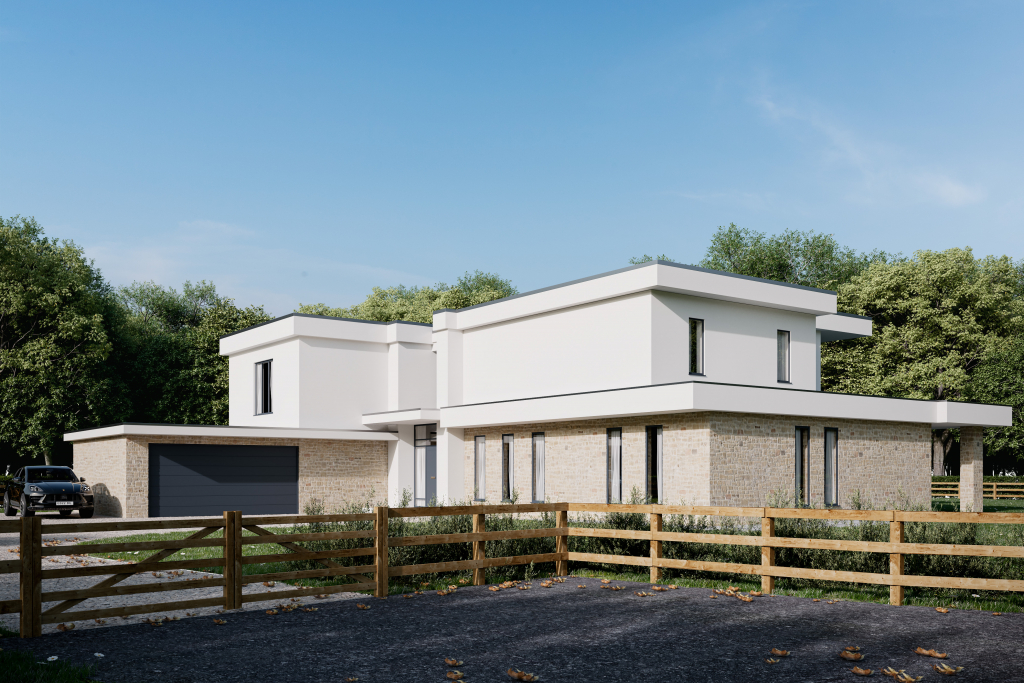
Exterior CGI for planning committees refers to accurate, photorealistic visualisations used to support planning applications. These images are created using verified architectural drawings and survey data to ensure precision.
A planning ready CGI will show:
- True building proportions
- Verified material finishes
- Real world site context
- Streetscape integration
- Landscape and boundary details
At Joanna James Ltd, visuals are typically aligned with survey and mapping data, achieving accuracy within ±15 cm. This level of precision ensures that planning officers and committees can rely on what they see.
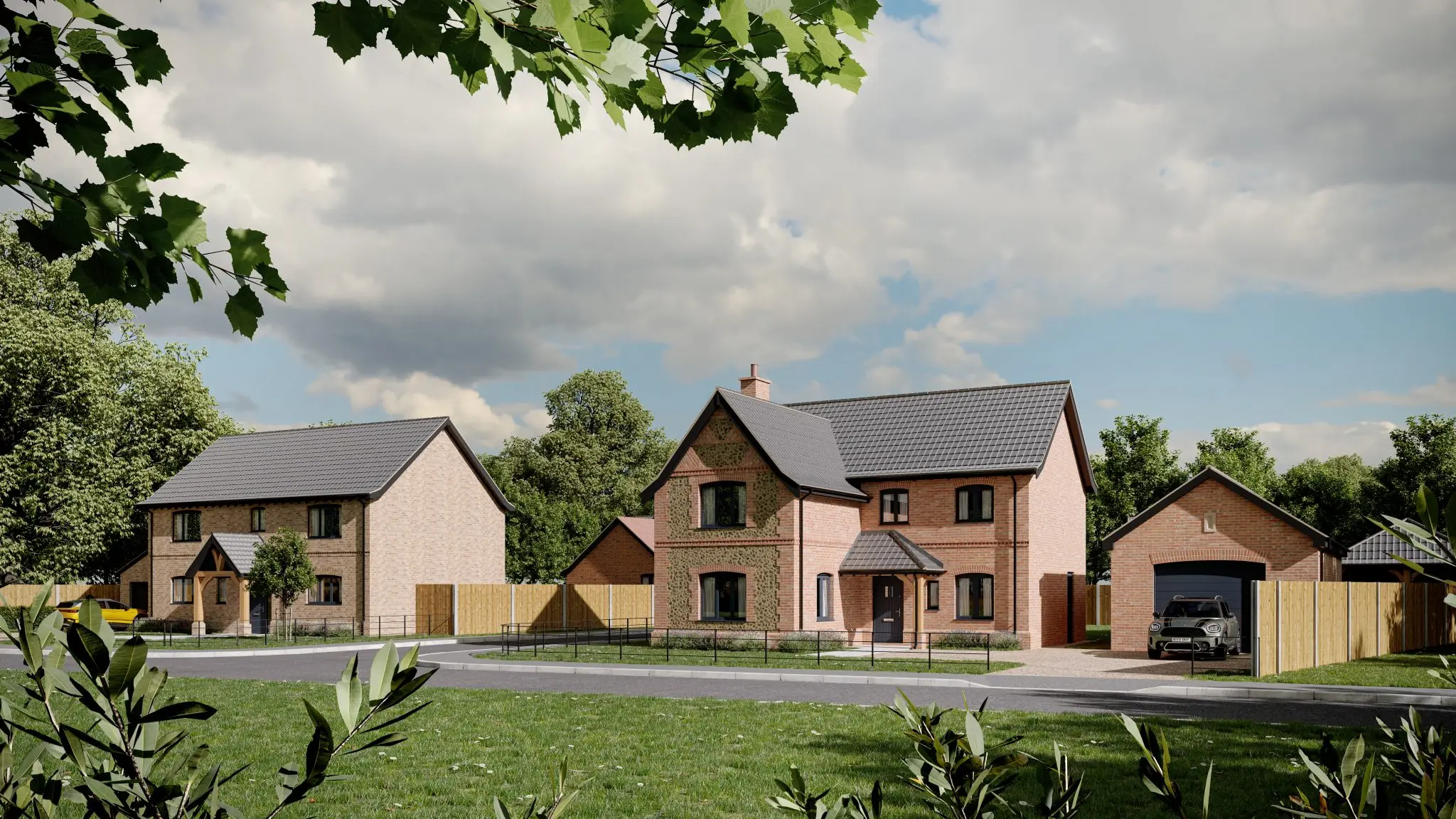
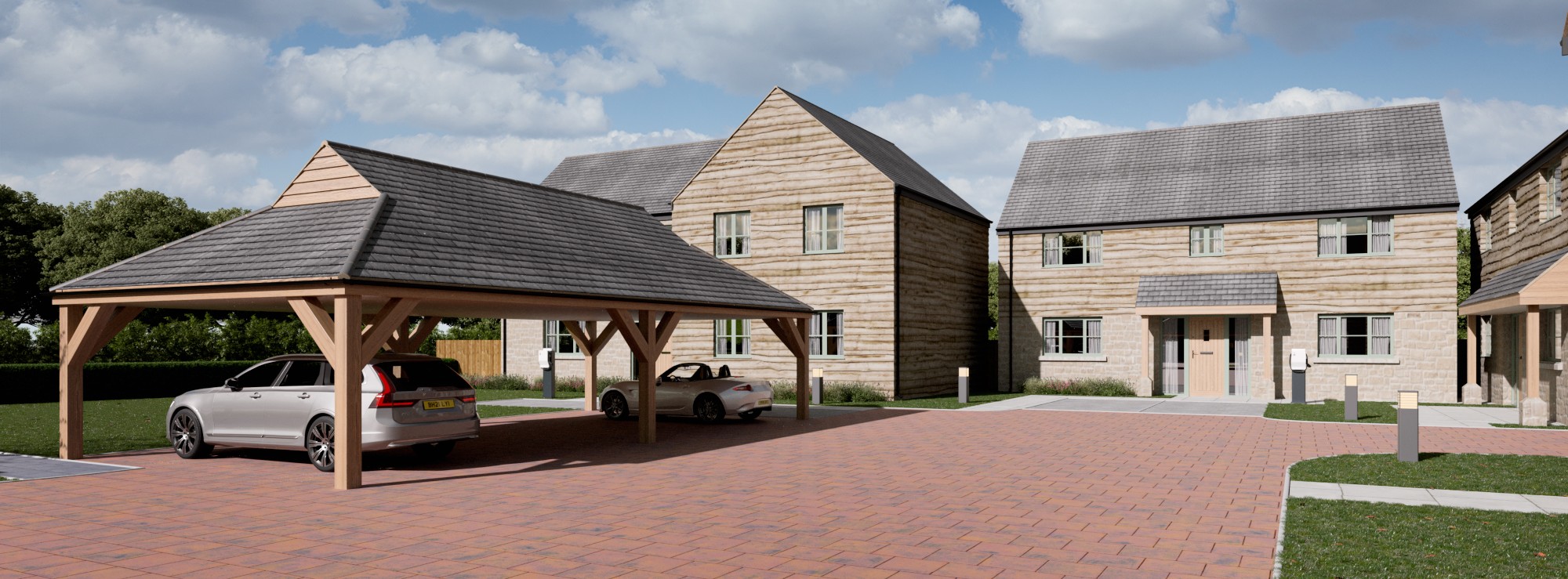
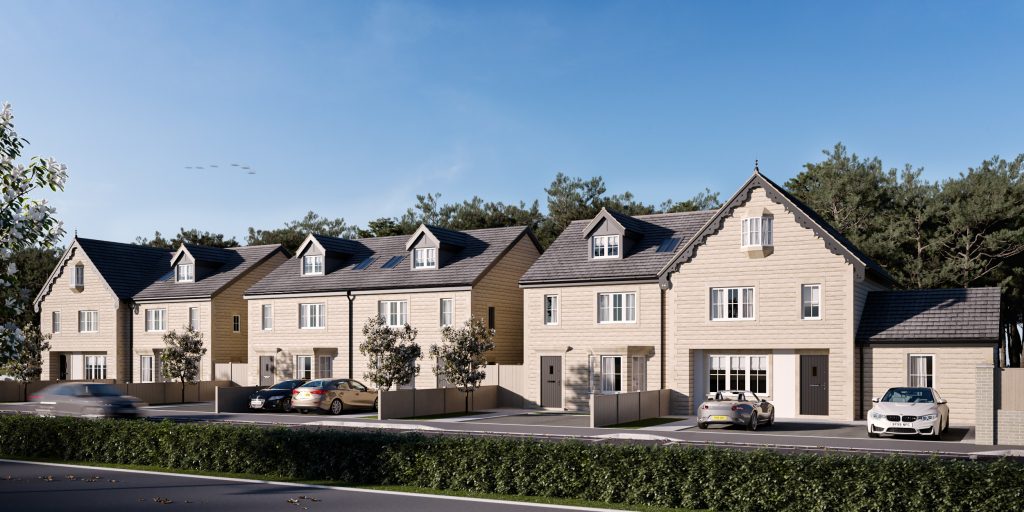
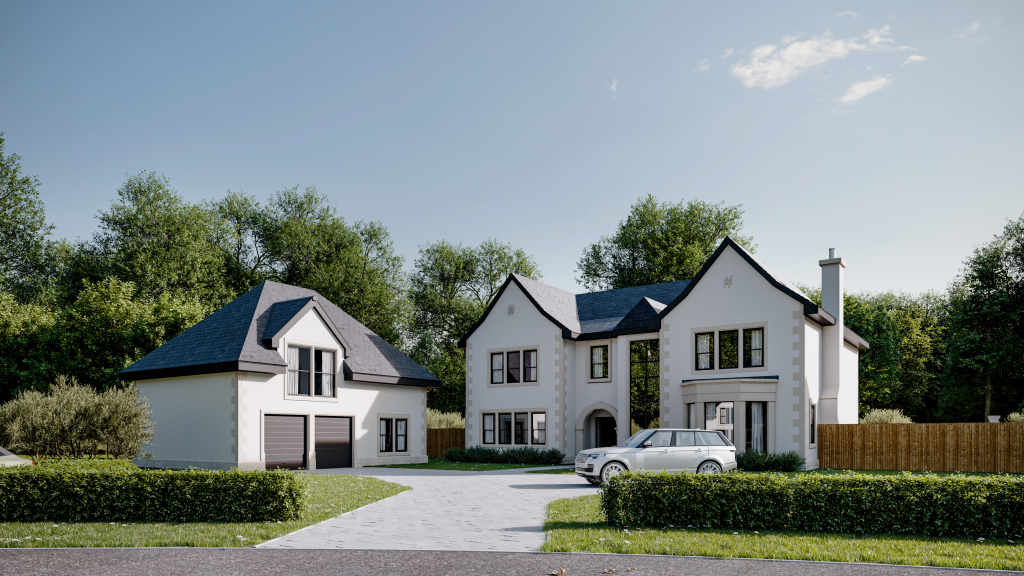
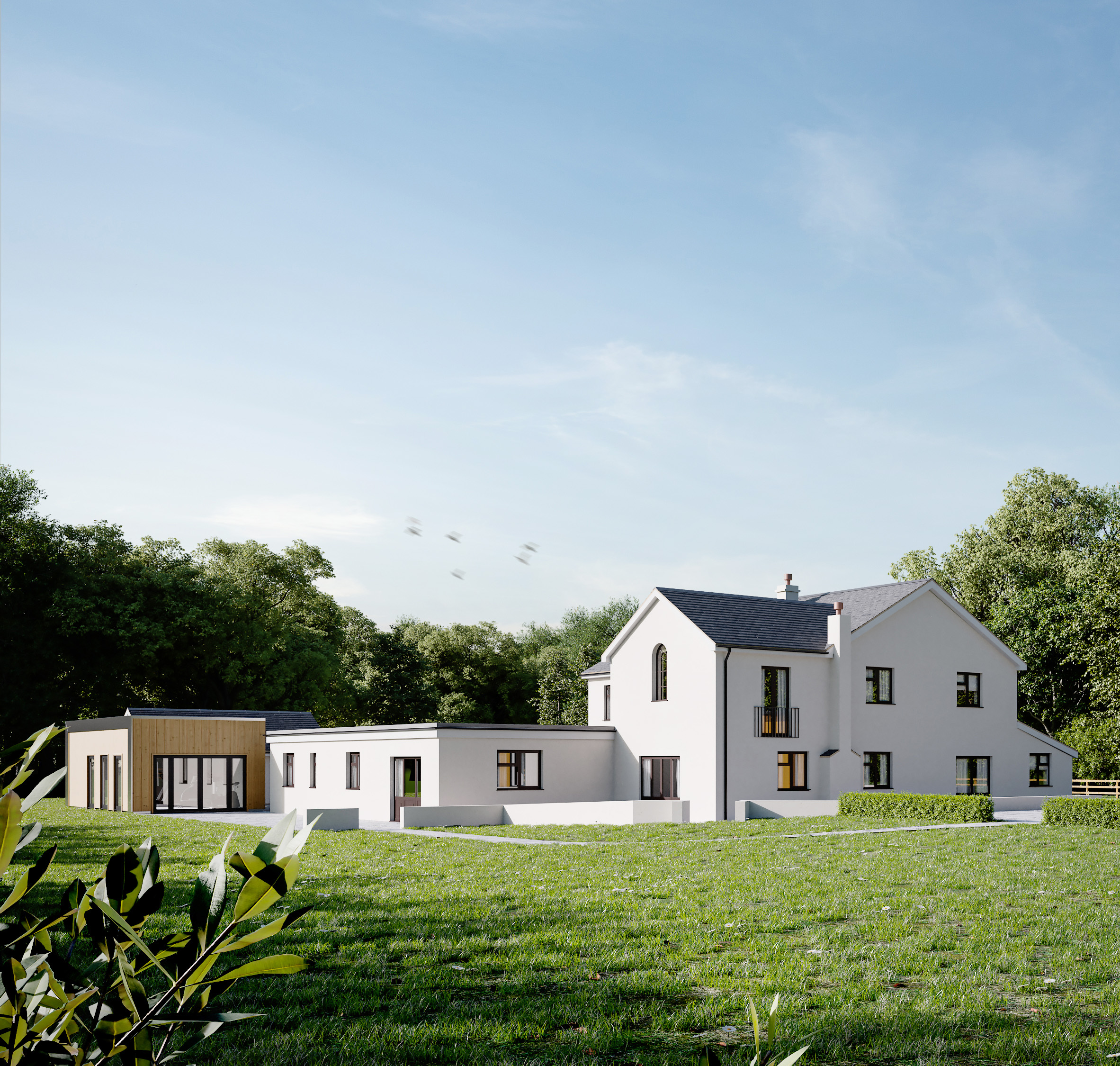
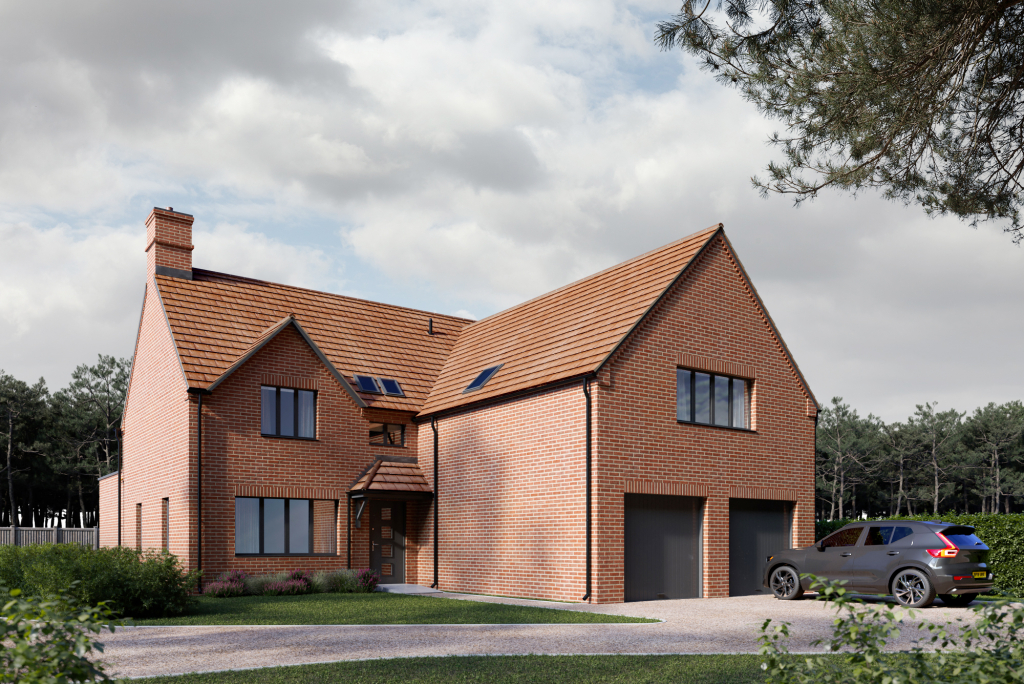
Project examples clearly demonstrate how realistic lighting, materials and surroundings help stakeholders interpret development proposals with confidence
How Exterior CGI Improves Planning Committee Decisions
1. It Removes Interpretation Errors
Exterior CGI replaces guesswork with clarity. Committee members no longer need to interpret drawings. They can see the outcome directly.
This reduces:
- Misunderstandings
- Conflicting opinions
- Delays caused by uncertainty
2. It Shows True Context and Streetscape Integration
Planning decisions depend heavily on how a development fits its surroundings.
CGI allows committees to assess:
- Relationship with neighbouring buildings
- Impact on street character
- Integration with landscape and infrastructure
This is essential for residential schemes, commercial sites and mixed use developments.
3. It Strengthens Planning Officer Recommendations
Planning officers prepare detailed reports that guide committee decisions.
When supported by CGI visuals, those reports gain:
- Clear visual evidence
- Stronger justification of design decisions
- Improved alignment between written and visual information
4. It Improves Communication During Committee Meetings
CGI provides a shared visual reference.
Instead of debating interpretations, committee members can focus on informed decision making.
Does Exterior CGI Improve Planning Approval Rates?
Exterior CGI does not replace good design, but it ensures that good design is properly understood.
In real planning scenarios, this leads to:
- Fewer objections based on misunderstanding
- Stronger officer support
- More confident committee decisions
UK planning guidance encourages clear communication of proposals, as outlined in the official planning application guidance.
Clear visuals align directly with these expectations and reduce ambiguity in submissions.
When Should Exterior CGI Be Used in Planning Applications?
Exterior CGI is particularly valuable in the following cases:
Housing developments and large schemes
Multiple units and complex layouts require clear visual communication.
Sensitive planning locations
Conservation areas, greenbelt sites and prominent developments demand strong visual justification.
Committee reviewed applications
If a project is likely to go before a planning committee, CGI becomes essential.
Projects facing public scrutiny
Clear visuals reduce misunderstanding and support constructive feedback.
What Makes Exterior CGI Suitable for Planning Use?
Not all CGI meets planning standards. Planning visuals must prioritise accuracy and realism.
Key requirements
- Alignment with architectural drawings
- Accurate scale and proportions
- Realistic materials and finishes
- Verified site context using mapping data
- Natural lighting conditions
For professional, planning ready visuals, explore
exterior CGI visualisations
To support accurate modelling and context, projects often integrate
3D models for architectural visualisation
and
OS mapping data services
This combination ensures visual outputs are both realistic and technically reliable.
How Exterior CGI Supports Public Consultation
Planning applications often involve community engagement.
Exterior CGI allows non technical audiences to understand proposals quickly.
Benefits include:
- Clear communication during consultations
- Reduced objections caused by confusion
- More informed public feedback
When people can see a development clearly, discussions become more productive.

Common Mistakes That Reduce Planning Effectiveness
Even strong designs can be weakened by poor visualisation.
Overly stylised imagery
Planning visuals should reflect reality, not marketing exaggeration.
Inaccurate context
Incorrect surroundings undermine credibility and trust.
Missing key viewpoints
Important perspectives such as street level views must be included.
Inconsistency with drawings
Visuals must match submitted plans exactly.
Why Exterior CGI Is Now Standard in UK Planning
Planning expectations have evolved. Committees and officers now expect clear, accurate visual communication.
Exterior CGI has become standard because it:
- Improves clarity
- Reduces risk
- Supports better decisions
For developers, it protects investment. For architects, it ensures design intent is understood. For planners, it improves decision quality.
FAQs
Exterior CGI is a photorealistic visual used to help planning committees understand how a proposed development will look in real context.
Planning CGI should align closely with survey and architectural data, typically within ±15 cm, to ensure reliability.
Common viewpoints include street level views, neighbouring property perspectives and wider context shots showing landscape integration.
Not always, but they are increasingly expected, especially for complex or high impact developments.
Yes. It reduces misunderstanding, strengthens officer recommendations and supports clearer decision making.
Conclusion
Exterior CGI for planning committees plays a direct role in how development proposals are understood and approved.
It removes ambiguity, strengthens planning submissions and ensures that design intent is communicated clearly. In today’s UK planning environment, that level of clarity is essential.
Ready to Strengthen Your Planning Submission?
Joanna James Ltd provides accurate, planning ready CGI visualisations tailored for UK developments.
If your project depends on clear interpretation and strong presentation, professional CGI will make a measurable difference.