Architectural drawings are essential for construction, yet they are rarely easy for non specialists to interpret. Lines, elevations and technical measurements communicate structure and compliance, but they do not easily show how a finished development will appear in the real world.
This is where architectural CGI becomes indispensable.
When developers and architects prepare a project presentation, one of the first questions they encounter is simple: should the development be shown using exterior CGI, interior CGI or both?
Understanding the difference between these visualisations is critical. Exterior renders communicate how a building fits into its environment. Interior renders show how the space will feel once people move inside.
Professional architectural CGI visualisations translate complex design information into clear, realistic imagery. These visuals help planning officers assess development proposals, assist investors in evaluating projects and allow buyers to imagine living or working in a space that has not yet been built.
Selecting the right visualisation approach ensures a development communicates its design clearly, gains planning support more easily and attracts interest long before construction begins.
What Is Exterior CGI?
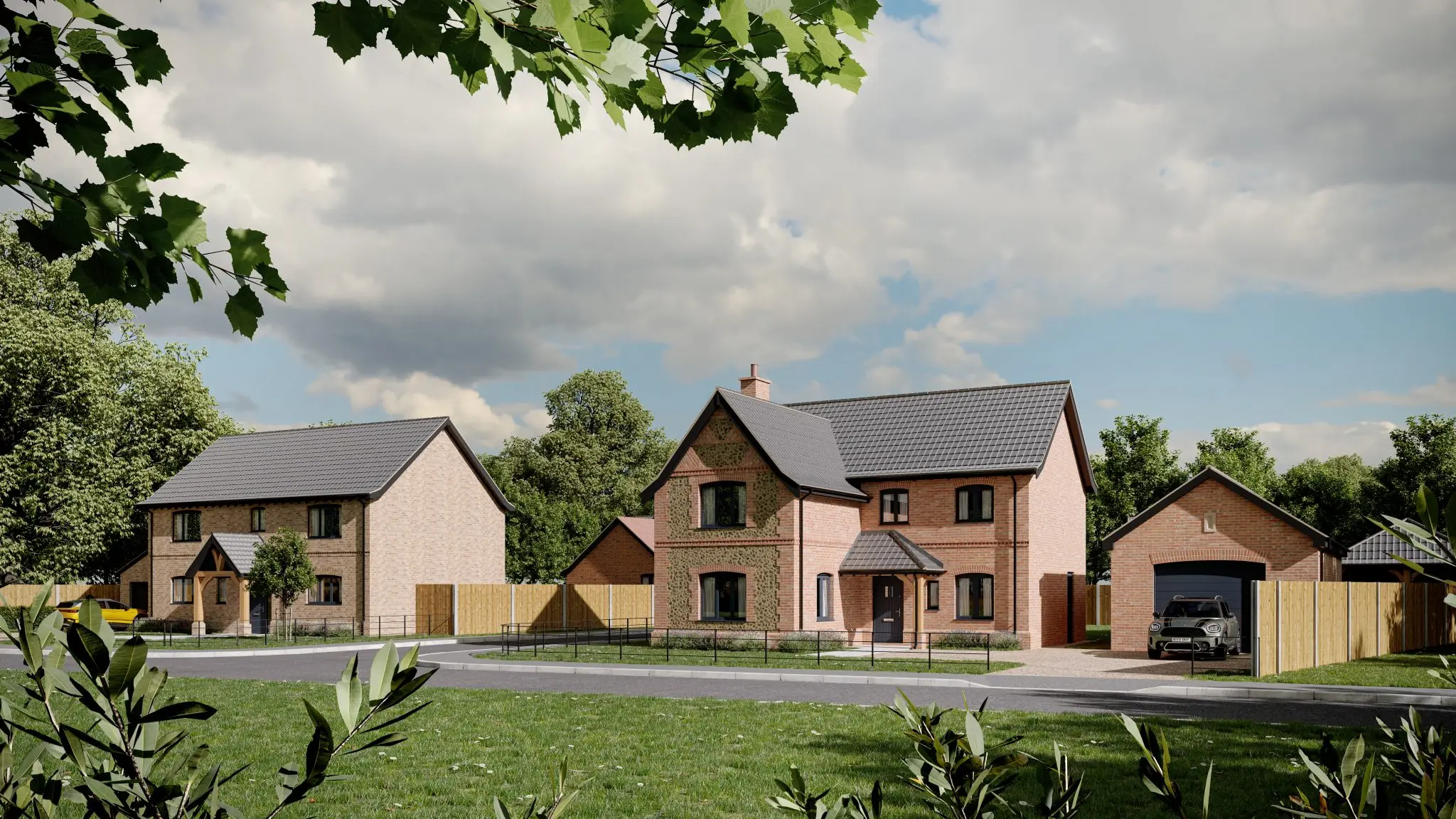
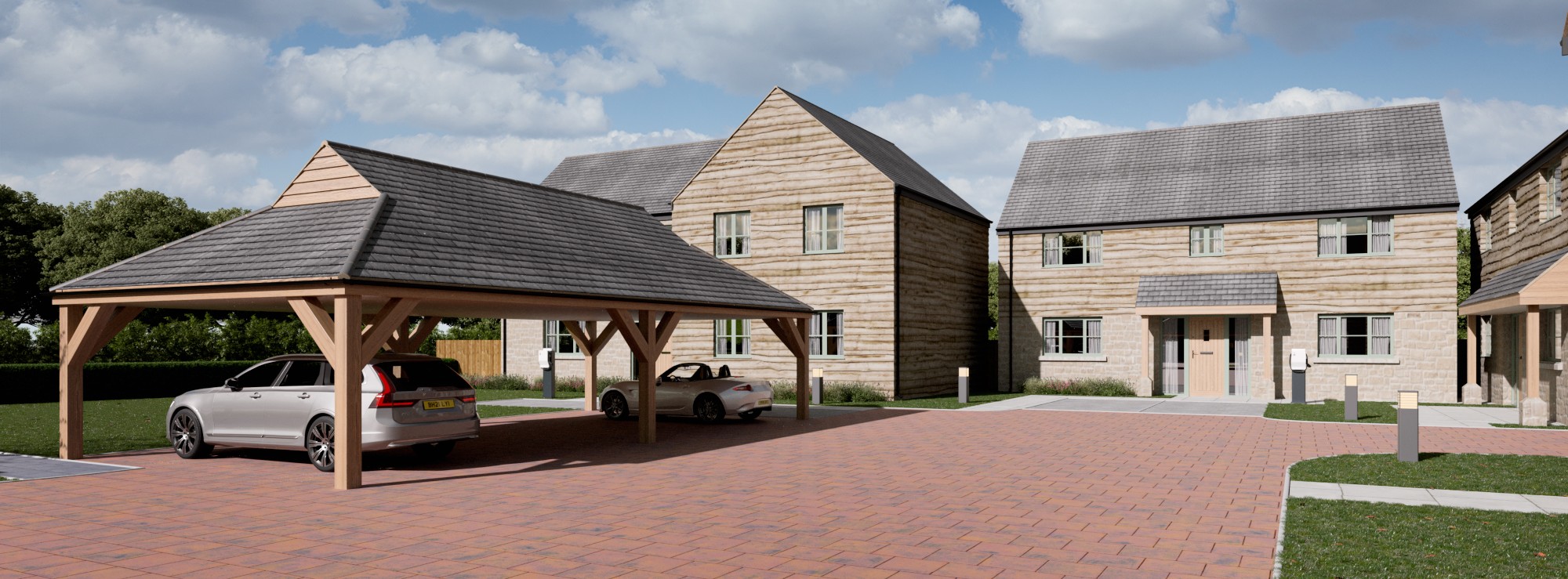
Exterior CGI is a digital rendering that illustrates the outside of a building within its surrounding environment.
These images typically show the full architectural design in context, including surrounding buildings, streets, landscaping and environmental lighting.
Exterior CGI is widely used across property development because it allows viewers to understand how a project will integrate into its surroundings.
Typical exterior CGI scenes include:
- residential streetscapes
- commercial building facades
- aerial development views
- landscaped public spaces
- contextual urban environments
These visuals are especially valuable during the early stages of a development because they communicate scale and architectural design quickly.
Planning officers, investors and local communities often find it far easier to evaluate a proposal when they can see how the building will appear once completed.
Exterior CGI therefore plays a major role in planning submissions, architectural presentations and early marketing campaigns.

What Is Interior CGI?
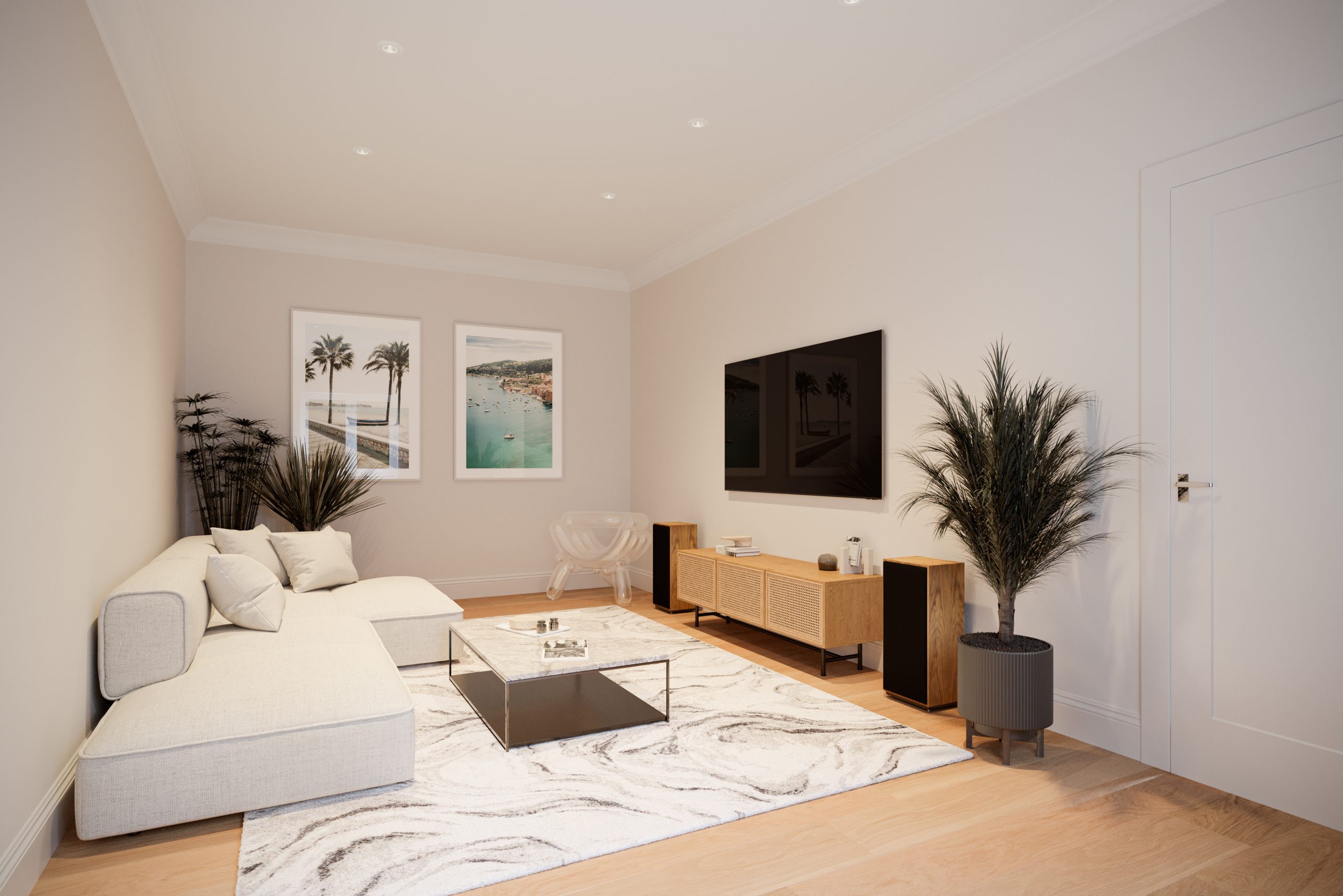
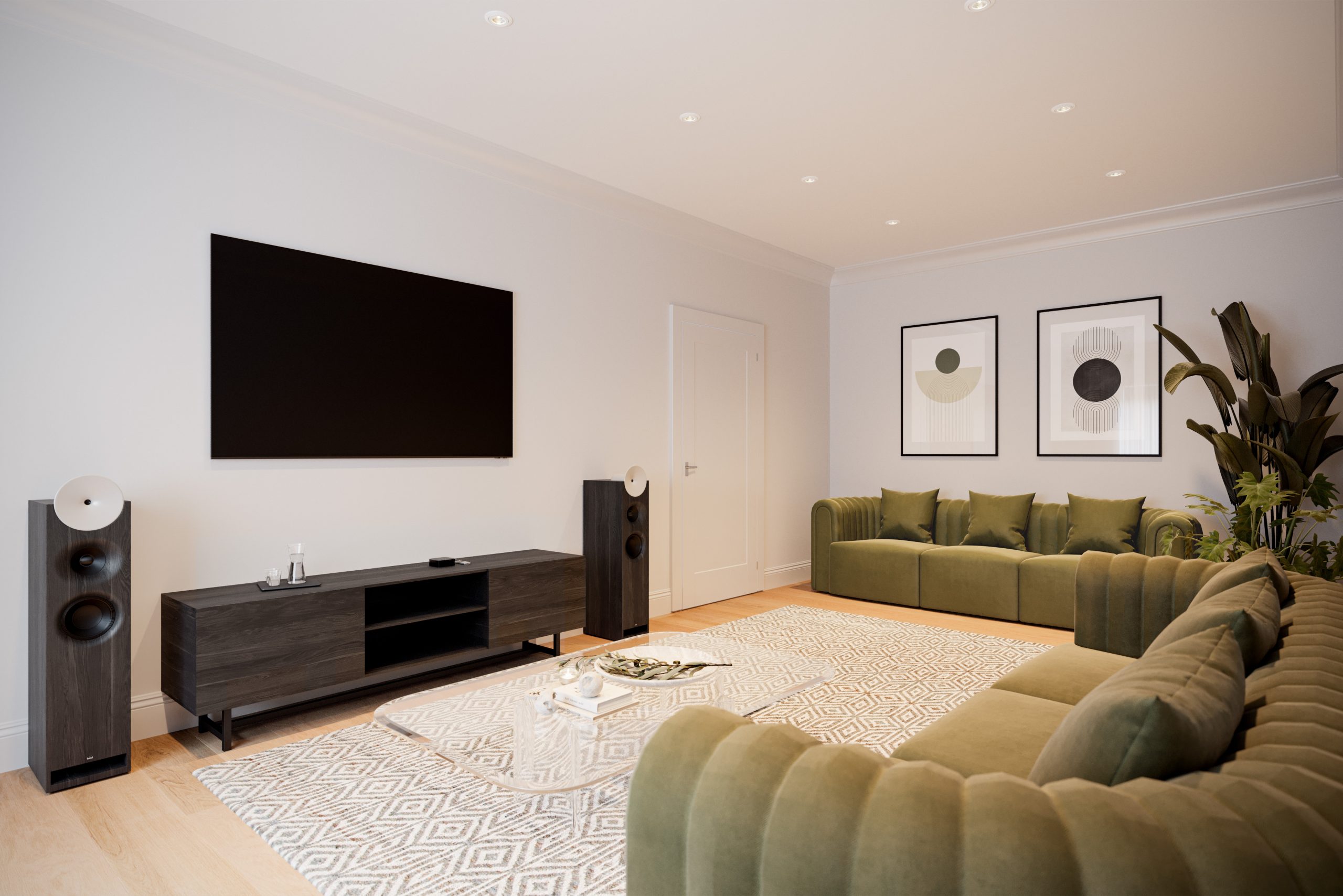
Interior CGI focuses on the inside spaces of a building.
Rather than presenting architecture within a landscape, interior renders illustrate how rooms will appear and function once the project is finished.
These visualisations highlight details such as:
- room layout
- furniture placement
- natural and artificial lighting
- materials and finishes
- spatial atmosphere
Interior CGI is particularly valuable for property marketing.
Buyers rarely purchase homes based solely on floor plans. They want to understand how a space will look, feel and function.
Interior renders transform architectural drawings into realistic lifestyle imagery. A well produced visual can show a warm living room, a bright kitchen or a spacious office environment long before construction begins.
For developers selling property off plan, interior CGI often becomes one of the most powerful marketing tools available.
Exterior vs Interior CGI: Understanding the Key Difference
Both exterior and interior CGI use the same rendering technology. The difference lies in the story each visual tells.
Exterior CGI explains the architecture and context of a building.
Interior CGI communicates the experience of the space.
The two approaches therefore support different goals during the development process.
Exterior CGI focuses on
- architectural form
- building scale
- site context
- surrounding landscape
- urban integration
Interior CGI focuses on
- room design
- interior materials
- lighting and atmosphere
- furniture layouts
- lifestyle presentation
In practice, most successful development presentations combine both forms of visualisation.
Exterior images introduce the building to the viewer. Interior visuals then show how the spaces inside will be experienced.
When Should Exterior CGI Be Used?
Exterior CGI is most important during the planning and design stage of a development.
Planning authorities must understand how a proposed building will affect its surroundings. Exterior renders provide a clear visual representation of the project within its environment.
Exterior CGI is commonly used for several purposes.
Planning Applications
Planning officers must evaluate a development’s visual impact on the local area.
Exterior CGI allows them to assess:
- building scale
- architectural style
- relationship with neighbouring properties
- landscape integration
The UK Government’s planning guidance on development proposals highlights the importance of visual clarity when presenting schemes for approval.
Realistic visualisations make planning submissions easier to understand and can significantly improve communication between developers and planning authorities.
Architectural Design Review
Architects often use exterior CGI when reviewing early design concepts with clients or planning consultants.
Seeing a building rendered within its environment allows stakeholders to assess proportions, materials and overall design quality before construction begins.
Development Investment Presentations
Property developers frequently present projects to investors or financial partners.
Exterior CGI helps demonstrate the scale and ambition of a development, allowing investors to visualise the finished scheme rather than relying solely on drawings.
When Should Interior CGI Be Used?
Interior CGI becomes particularly valuable during the marketing and sales phase of a project.
While exterior visuals introduce the building, interior renders help potential buyers imagine living or working inside it.
Interior CGI is commonly used in the following situations.
Off Plan Property Sales
Many residential developments begin selling homes before construction is complete.
Interior CGI allows buyers to visualise the finished property, giving them confidence in the development.
These visuals often appear in:
- sales brochures
- development websites
- marketing campaigns
- property listing platforms
Show Home Visualisation
Interior renders are often used to preview the design of future show homes.
Developers can demonstrate interior style and layout long before the physical show property is constructed.
Commercial Property Marketing
Interior CGI also plays an important role in commercial developments.
Office, retail and hospitality projects frequently rely on interior visualisation to attract tenants or investors.
Seeing a realistic interior environment allows potential occupiers to understand how a space could function for their business.
Why Planning Authorities Prioritise Exterior CGI
Planning authorities generally prioritise exterior visualisations because planning decisions focus on the visual impact of a building within its surroundings.
Exterior renders allow planners to evaluate:
- building height and massing
- architectural design quality
- relationship with neighbouring structures
- streetscape integration
The UK’s National Planning Policy Framework design guidance emphasises the importance of high-quality design and visual appearance in development proposals.
Professional CGI visualisations help demonstrate that a scheme meets these design expectations.
They provide clear evidence of how a development will appear once completed.
Why Many Developments Use Both Exterior and Interior CGI
Although exterior and interior CGI serve different purposes, the most effective development presentations typically include both.
Exterior renders explain the architectural concept and its relationship with the surrounding environment.
Interior renders bring the design to life by showing the experience of the space.
Together they form a complete visual narrative.
A typical CGI package for property development may include:
- exterior hero render
- streetscape visualisation
- aerial development image
- interior lifestyle renders
- site plan visualisation
This combination allows planners, investors and buyers to understand the development from every perspective.
The Benefits of Professional Architectural CGI
High quality CGI visualisation provides several advantages for property development projects.
Clearer Communication
Visual imagery communicates complex design concepts far more effectively than technical drawings alone.
Stakeholders can quickly understand the design, scale and purpose of a development.
Stronger Marketing Impact
Photorealistic renders attract attention and generate interest in new developments.
Buyers respond more strongly to visual storytelling than to technical plans.
Faster Decision Making
When developers, architects and planners share the same visual reference, design discussions become clearer and more productive.
Increased Buyer Confidence
Buyers are more comfortable committing to off plan purchases when they can clearly visualise the finished property.
Professional CGI reduces uncertainty and strengthens trust in the development.
Practical Advice for Choosing the Right CGI Visualisation
Selecting the right visualisation strategy depends on the stage of the project and the audience viewing it.
Early Design and Planning
Focus on exterior CGI to communicate architecture and environmental context.
Marketing and Sales
Introduce interior CGI to illustrate lifestyle and spatial experience.
Large Developments
Combine both exterior and interior visuals to create a complete representation of the project.
The most successful property presentations often rely on a balanced mix of both visual approaches.
FAQs
Exterior CGI is a digital visualisation showing the outside of a building within its environment. It illustrates architecture, landscape and surrounding context.
Interior CGI rendering creates realistic images of internal spaces such as living rooms, kitchens, offices and commercial interiors.
Exterior CGI is usually more important for planning submissions because it shows how a development will appear within its surrounding environment.
Most developments benefit from both. Exterior renders explain the architecture, while interior renders help buyers imagine living inside the property.
Conclusion
Exterior vs interior CGI is not a choice between two competing visual techniques. Each serves a specific role within the development process.
Exterior CGI communicates the architectural design and environmental context of a building. It plays a crucial role in planning submissions and early design presentations.
Interior CGI focuses on the human experience of a space. It supports marketing campaigns and helps buyers visualise life inside a property.
When combined, these visualisations create a powerful communication tool that bridges the gap between architectural design and real world understanding.
For architects, planners and property developers across the UK, professional architectural CGI visualisations provide the clarity needed to present projects confidently and bring new developments to life long before construction begins.