
Photomontage CGI for Planning Applications in the UK
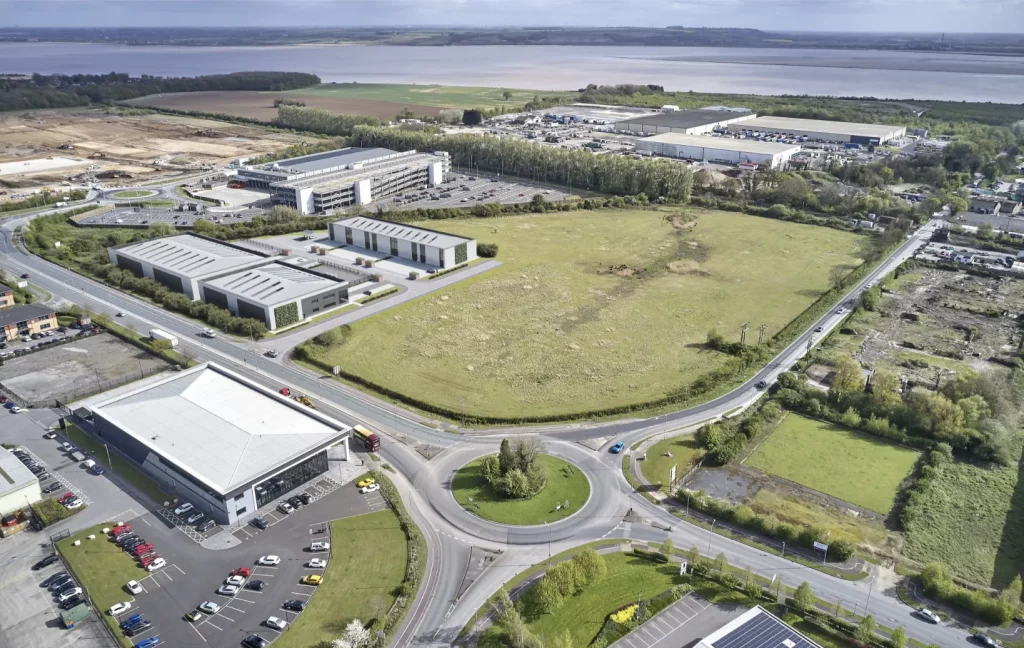
Securing planning permission in the UK often comes down to one question: can decision makers clearly see what you are proposing? That is where photomontage CGI for planning applications plays a decisive role. It translates technical drawings into real world visuals that planners, stakeholders and communities can understand instantly. Without it, even well designed schemes can struggle. With it, proposals become clearer, more credible and far easier to approve. Why Planning Applications Fail Without Clear Visualisation Planning submissions are frequently rejected or delayed for one reason: lack of clarity. Drawings and elevations provide technical detail, yet they do not always communicate how a development will feel within its surroundings. This creates problems such as: Misinterpretation of scale and height Concerns about visual impact Objections from local communities Requests for revisions or additional information For planning officers working under time pressure, unclear submissions introduce risk. Most will favour schemes they can assess quickly and confidently. What is Photomontage CGI for Planning Applications? Photomontage CGI combines real world photography with a precisely aligned 3D model of a proposed development. The result is a highly realistic image showing how the building will appear once constructed. It answers critical questions instantly: How will the development sit within the street? What is the visual impact on neighbouring properties? Does the design respect local character? For a deeper look at how this works in practice, see our photomontage CGI for planning applications service. How Photomontage CGI Works Site Photography and Data Capture Everything starts on site. Accurate photography is taken with recorded camera positions, lens settings and GPS data. This ensures the final visual matches real world viewpoints exactly. Survey and Mapping Integration Topographical surveys and mapping data are used to position the development correctly. This step often relies on Ordnance Survey data to maintain spatial accuracy. 3D Modelling Architectural drawings are converted into a detailed 3D model, reflecting true dimensions, materials and design intent. Camera Matching The digital camera is aligned with the real photograph. This is where precision matters most. Even small errors can distort scale and undermine credibility. Rendering and Visual Integration Lighting, shadows, textures and atmosphere are matched to the photograph. The goal is simple: the development should look like it already exists. What Are Verified Views in Photomontage CGI? Quick Answer Verified views are planning grade visualisations produced using strict technical standards to ensure accuracy and reliability. Why They Matter These are often required for: Major developments Heritage or conservation areas Tall buildings and urban schemes They provide evidence planners can trust, not just imagery. Guidance from the UK planning application guidance highlights the need for clear and accurate supporting material, particularly for complex proposals. Why Developers and Architects Use Photomontage CGI Improves Planning Approval Rates Clear visuals reduce uncertainty. When planners understand a proposal quickly, decisions tend to move faster. Strengthens Planning Submissions Photomontage CGI supports written statements, design and access reports and technical drawings. Builds Trust with Stakeholders Communities respond better when they can see exactly what is being proposed. Reduces Revisions and Delays Accurate visuals help resolve concerns early, which can prevent costly redesigns later. When Do You Need Photomontage CGI? Planning Applications Essential for most medium to large developments. Sensitive Locations Required in areas where visual impact is critical, such as: Conservation areas Listed building settings Urban centres Planning Appeals Strong visuals can support your case when decisions are challenged. Investor and Stakeholder Presentations They provide clarity beyond technical drawings. Common Mistakes in Planning CGI Poor Accuracy If scale or alignment is wrong, planners will question the entire submission. Overly Stylised Images Planning visuals are not marketing images. They must prioritise accuracy over aesthetics. Lack of Context A building shown without its surroundings offers little value in planning assessment. Incorrect Lighting and Shadows These details may seem minor, yet they significantly affect realism and trust. How Photomontage CGI Supports Better Planning Decisions Photomontage CGI simplifies complex proposals into something instantly understandable. For planners, it provides clarity. For developers, it reduces risk. For communities, it builds transparency. This alignment is what drives smoother planning outcomes. How to Choose the Right CGI Provider Not all CGI providers understand planning requirements. Look for: Experience with UK planning submissions Knowledge of verified views methodology Accurate camera matching and survey integration Consistent, realistic output quality A provider should not just create visuals. They should understand how those visuals influence planning decisions. FAQs What is photomontage CGI used for in planning? It is used to show how a proposed development will appear within its real world surroundings, helping planners assess visual impact. Is photomontage CGI required for planning permission? Not always mandatory but often expected for developments where visual impact matters. How accurate are planning photomontages? Professional visuals are highly accurate, using survey data and camera matching to reflect real world conditions. What is the difference between CGI renders and photomontage? CGI renders show a standalone model. Photomontage integrates that model into a real photograph for context. Conclusion Photomontage CGI for planning applications has become a critical tool in the UK planning process. It bridges the gap between technical design and real world understanding. Projects supported by accurate visualisation are easier to assess, easier to communicate and more likely to gain approval. For developers and architects, it is no longer optional. It is part of a strong planning strategy. Ready to Improve Your Planning Submission? If you are preparing a planning application and need reliable, accurate visuals, Joanna James Ltd provides expert photomontage CGI services across the UK. Explore our service here: 👉 Photomontage CGI for Planning Applications Or contact us to discuss your project and request a tailored quote.
Interior CGI Visualisation for Property Marketing UK

Interior CGI visualisation for property marketing has become a defining factor in how developments are presented, understood and ultimately sold across the UK. Buyers are no longer satisfied with floor plans or basic drawings. They expect clarity, realism and a genuine sense of how a space will feel before it exists. For developers, architects and property consultants, this shift has changed the standard. Strong interior visuals are no longer optional. They are central to attracting interest, securing investment and moving projects forward with confidence. What is interior CGI visualisation for property marketing? Interior CGI visualisation refers to the creation of highly detailed, photorealistic images that represent internal spaces before construction is complete. These visuals are built using architectural drawings, material specifications and lighting data. They are typically used for: Off plan residential sales Planning submissions Investor presentations Marketing campaigns and brochures Unlike traditional drawings, CGI allows viewers to fully understand scale, atmosphere and layout. A well executed render shows not just a room but how that room will feel to live in or work within. Why interior CGI is essential for UK property marketing Buyers expect visual clarity The UK property market is highly competitive. Most buyers begin their journey online, comparing multiple developments within minutes. If your visuals do not communicate clearly, attention is lost quickly. Interior CGI provides immediate understanding. It removes guesswork and replaces it with confidence. Off plan sales depend on trust Selling property before construction is complete requires strong visual communication. Buyers need to feel certain about what they are purchasing. Interior CGI supports this by: Showing realistic finishes and materials Demonstrating spatial flow Presenting lighting conditions accurately Planning and stakeholder communication Visual clarity also supports planning and consultation stages. Clear imagery helps stakeholders interpret proposals correctly. For detailed guidance on planning expectations and required documentation, refer to the official UK planning guidance available on GOV.UK planning resources. How interior CGI influences buyer decisions Visuals create emotional connection A floor plan informs. A CGI visual persuades. Interior renders allow buyers to imagine themselves within a space. This emotional response is often what drives enquiry and commitment. Perception of quality Well crafted visuals reflect attention to detail. If the imagery looks considered and realistic, buyers assume the same about the development itself. Faster decision making Clear visuals reduce hesitation. Buyers understand what they are getting, which shortens the time between interest and action. What makes a high quality interior CGI visual? Not all CGI delivers the same result. The difference between average and exceptional visuals is immediately noticeable. Lighting accuracy Natural light behaviour, shadow softness and artificial lighting must reflect real world conditions. Poor lighting instantly reduces credibility. Material realism Textures such as timber, stone and fabric need to respond correctly to light. Flat or overly polished materials break immersion. Proportional accuracy Furniture, fixtures and architectural elements must align with real dimensions. Any inconsistency creates doubt.Cohesive styling Spaces should feel authentic, not staged. Subtle styling choices make interiors believable and relatable. For a clear benchmark of professional quality, explore interior CGI visualisation services Where interior CGI delivers the most value Residential developments New build schemes rely heavily on CGI for early stage marketing. It allows developers to secure interest before completion. Build to rent projects Consistency across units is essential. CGI ensures branding and presentation remain aligned throughout marketing campaigns. Commercial interiors Office spaces, retail environments and hospitality projects benefit from clear visual storytelling. High end property Luxury developments depend on presentation. CGI communicates quality before physical completion. How interior CGI supports the design process Interior CGI is not limited to marketing. It also plays a practical role during design stages. Early design validation Visualising interiors allows teams to assess layout, lighting and materials before construction begins. Reduced revisions Issues can be identified early, avoiding costly changes during the build phase. Improved collaboration Architects, developers and clients can align expectations through clear visual references. Common mistakes to avoid Unrealistic styling Overly stylised visuals may look impressive but reduce trust. Buyers want realism, not exaggeration. Ignoring UK context Lighting conditions, materials and layouts should reflect UK environments. Generic visuals can feel disconnected. Inconsistent presentation Using different styles across brochures, websites and presentations weakens brand identity. Low resolution imagery Poor image quality undermines even the best design work. How interior CGI fits into a wider marketing strategy Interior CGI works best when combined with other visual tools. A strong marketing approach typically includes: Exterior CGI visuals Site photography Floor plans and mapping Digital and print marketing assets Consistency across these elements builds credibility and reinforces brand identity. Practical advice for developers and architects If you are planning a project, consider these points early: Engage CGI specialists during the design phase Provide detailed material specifications Align visuals with target buyer demographics Maintain consistency across all marketing channels Pro tip: early collaboration between architects and CGI teams produces stronger, more accurate results. Frequently asked questions How accurate is interior CGI visualisation? High quality CGI is based on architectural data, making it highly accurate in layout, scale and materials. How long does it take to produce interior CGI? Timelines vary depending on complexity, though most projects range from a few days to several weeks. Can CGI visuals be updated during a project? Yes. CGI is flexible and can be revised as designs evolve, which helps maintain accuracy throughout development. Is interior CGI suitable for smaller projects? Yes. Even smaller schemes benefit from clear visual presentation, especially in competitive markets. Conclusion Interior CGI visualisation for property marketing plays a central role in how developments are perceived and sold across the UK. It provides clarity where plans cannot, builds trust where uncertainty exists and creates a strong visual narrative that supports both marketing and planning. The difference lies in execution. Accurate, well considered visuals elevate a project. Poor visuals do the opposite. If your goal is to present a development with confidence and precision, investing in professional interior CGI is one of the most effective decisions you can make. Request a CGI