
Exterior vs Interior CGI: Choosing the Right Visual for Your Development
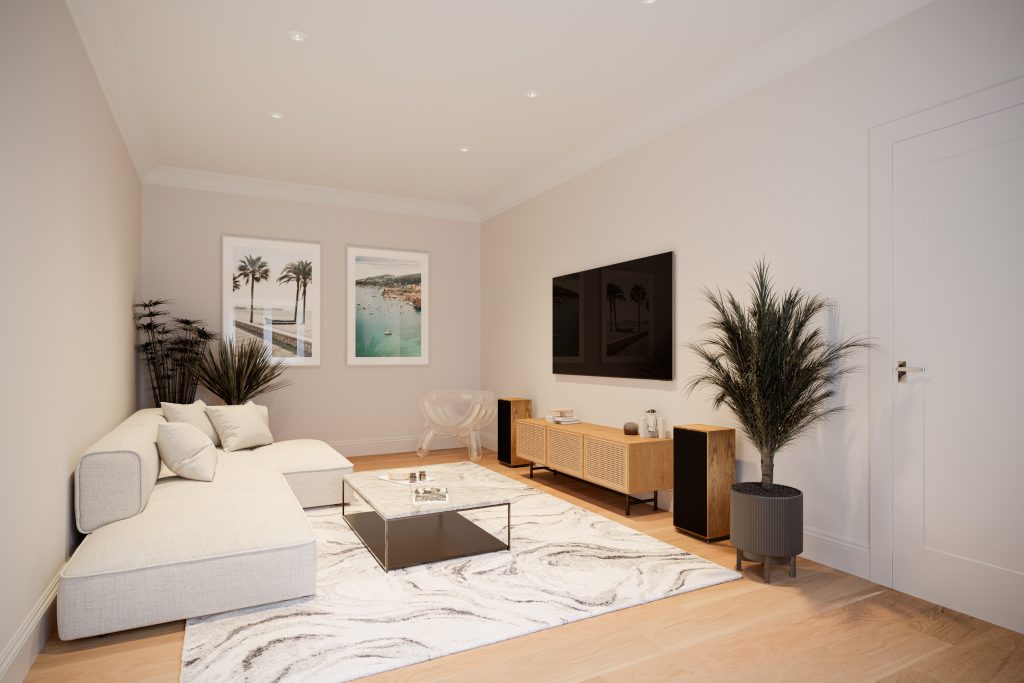
Architectural drawings are essential for construction, yet they are rarely easy for non specialists to interpret. Lines, elevations and technical measurements communicate structure and compliance, but they do not easily show how a finished development will appear in the real world. This is where architectural CGI becomes indispensable. When developers and architects prepare a project presentation, one of the first questions they encounter is simple: should the development be shown using exterior CGI, interior CGI or both? Understanding the difference between these visualisations is critical. Exterior renders communicate how a building fits into its environment. Interior renders show how the space will feel once people move inside. Professional architectural CGI visualisations translate complex design information into clear, realistic imagery. These visuals help planning officers assess development proposals, assist investors in evaluating projects and allow buyers to imagine living or working in a space that has not yet been built. Selecting the right visualisation approach ensures a development communicates its design clearly, gains planning support more easily and attracts interest long before construction begins. What Is Exterior CGI? Exterior CGI is a digital rendering that illustrates the outside of a building within its surrounding environment. These images typically show the full architectural design in context, including surrounding buildings, streets, landscaping and environmental lighting. Exterior CGI is widely used across property development because it allows viewers to understand how a project will integrate into its surroundings. Typical exterior CGI scenes include: residential streetscapes commercial building facades aerial development views landscaped public spaces contextual urban environments These visuals are especially valuable during the early stages of a development because they communicate scale and architectural design quickly. Planning officers, investors and local communities often find it far easier to evaluate a proposal when they can see how the building will appear once completed. Exterior CGI therefore plays a major role in planning submissions, architectural presentations and early marketing campaigns. What Is Interior CGI? Interior CGI focuses on the inside spaces of a building. Rather than presenting architecture within a landscape, interior renders illustrate how rooms will appear and function once the project is finished. These visualisations highlight details such as: room layout furniture placement natural and artificial lighting materials and finishes spatial atmosphere Interior CGI is particularly valuable for property marketing. Buyers rarely purchase homes based solely on floor plans. They want to understand how a space will look, feel and function. Interior renders transform architectural drawings into realistic lifestyle imagery. A well produced visual can show a warm living room, a bright kitchen or a spacious office environment long before construction begins. For developers selling property off plan, interior CGI often becomes one of the most powerful marketing tools available. Exterior vs Interior CGI: Understanding the Key Difference Both exterior and interior CGI use the same rendering technology. The difference lies in the story each visual tells. Exterior CGI explains the architecture and context of a building. Interior CGI communicates the experience of the space. The two approaches therefore support different goals during the development process. Exterior CGI focuses on architectural form building scale site context surrounding landscape urban integration Interior CGI focuses on room design interior materials lighting and atmosphere furniture layouts lifestyle presentation In practice, most successful development presentations combine both forms of visualisation. Exterior images introduce the building to the viewer. Interior visuals then show how the spaces inside will be experienced. When Should Exterior CGI Be Used? Exterior CGI is most important during the planning and design stage of a development. Planning authorities must understand how a proposed building will affect its surroundings. Exterior renders provide a clear visual representation of the project within its environment. Exterior CGI is commonly used for several purposes. Planning Applications Planning officers must evaluate a development’s visual impact on the local area. Exterior CGI allows them to assess: building scale architectural style relationship with neighbouring properties landscape integration The UK Government’s planning guidance on development proposals highlights the importance of visual clarity when presenting schemes for approval. Realistic visualisations make planning submissions easier to understand and can significantly improve communication between developers and planning authorities. Architectural Design Review Architects often use exterior CGI when reviewing early design concepts with clients or planning consultants. Seeing a building rendered within its environment allows stakeholders to assess proportions, materials and overall design quality before construction begins. Development Investment Presentations Property developers frequently present projects to investors or financial partners. Exterior CGI helps demonstrate the scale and ambition of a development, allowing investors to visualise the finished scheme rather than relying solely on drawings. When Should Interior CGI Be Used? Interior CGI becomes particularly valuable during the marketing and sales phase of a project. While exterior visuals introduce the building, interior renders help potential buyers imagine living or working inside it. Interior CGI is commonly used in the following situations. Off Plan Property Sales Many residential developments begin selling homes before construction is complete. Interior CGI allows buyers to visualise the finished property, giving them confidence in the development. These visuals often appear in: sales brochures development websites marketing campaigns property listing platforms Show Home Visualisation Interior renders are often used to preview the design of future show homes. Developers can demonstrate interior style and layout long before the physical show property is constructed. Commercial Property Marketing Interior CGI also plays an important role in commercial developments. Office, retail and hospitality projects frequently rely on interior visualisation to attract tenants or investors. Seeing a realistic interior environment allows potential occupiers to understand how a space could function for their business. Why Planning Authorities Prioritise Exterior CGI Planning authorities generally prioritise exterior visualisations because planning decisions focus on the visual impact of a building within its surroundings. Exterior renders allow planners to evaluate: building height and massing architectural design quality relationship with neighbouring structures streetscape integration The UK’s National Planning Policy Framework design guidance emphasises the importance of high-quality design and visual appearance in development proposals. Professional CGI visualisations help demonstrate that a scheme meets these design
CGI Visualisations for Off Plan Property Marketing
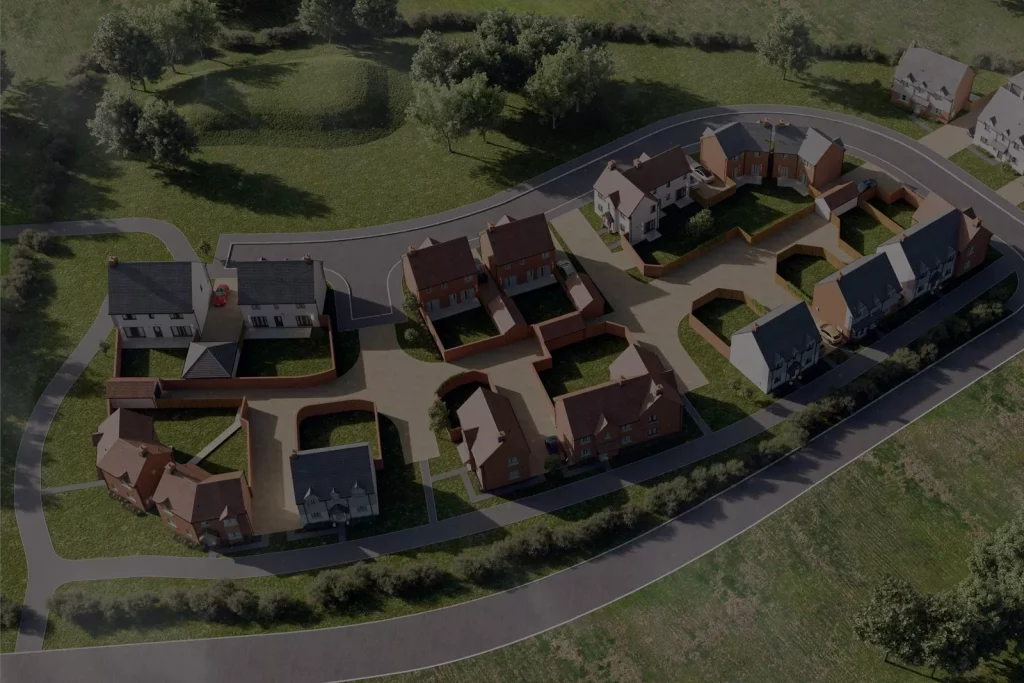
Selling property before construction begins is never simple. Buyers must commit to a future building that exists only on drawings and technical plans. For many people, interpreting architectural elevations and site layouts is difficult, which makes off plan purchasing feel uncertain. This challenge is exactly why CGI visualisations for off plan property marketing have become essential in modern property development. Photorealistic CGI transforms architectural drawings into realistic images that show a project as if it already exists. Buyers can see streets, homes, landscaping and interiors long before construction starts. For developers, architects and planners, these visualisations are far more than attractive imagery. They are powerful communication tools that help explain design intent, build buyer confidence and support successful marketing campaigns. Companies such as Joanna James Ltd, specialists in digital construction data and architectural visualisation, help developers present projects clearly and professionally through advanced CGI modelling. Why Off Plan Property Marketing Needs CGI Visualisations Off plan property sales depend heavily on visual communication. Buyers must understand a development clearly before committing to a purchase. Architectural drawings contain valuable technical information. However, they are designed primarily for construction professionals, not property buyers. CGI visualisations translate these technical plans into imagery that anyone can understand. With architectural CGI visualisation, buyers can instantly see: how the finished homes will look how buildings sit within the landscape how roads and public spaces connect how natural light interacts with architecture how interiors may feel when occupied This clarity removes uncertainty and helps buyers imagine living in the development.Developers therefore use specialist services such asarchitectural CGI visualisationsto transform technical design data into compelling marketing visuals. The Role of CGI in Off Plan Property Sales Turning Architectural Plans into Visual Experiences Traditional architectural plans rely on line drawings and measurements. While essential for construction, they rarely capture the emotional impact of a finished development. CGI visualisations change this by presenting architecture in realistic form. Textures, lighting, landscaping and surrounding context all combine to create imagery that closely resembles the final built environment. This visual storytelling makes developments easier to understand and more appealing to potential buyers. Building Buyer Confidence Early Off plan buyers often commit to property purchases months or even years before completion. Clear visual representation reduces uncertainty and reassures buyers that the project has been carefully designed. When buyers can see a photorealistic representation of the finished development, they feel far more confident about making an early investment. Supporting Pre Sales and Investment Developers frequently aim to secure a portion of sales before construction begins. Pre sales demonstrate market demand and reduce financial risk. High quality CGI visualisations help achieve this by presenting the development professionally to buyers, lenders and investors. Realistic visuals often appear in: property brochures investor presentations estate agent listings development websites planning submissions Each of these marketing channels benefits from clear visual communication. Types of CGI Visualisations Used in Property Marketing Different types of CGI imagery serve different marketing purposes. Exterior Architectural Renders Exterior renders present the overall design of a development. They show: building materials façade design landscaping streets and surroundings These visuals are typically the primary images used in marketing campaigns. Interior CGI Visualisations Interior renders allow buyers to imagine living within the property. They illustrate: living spaces kitchens bedrooms bathrooms Lighting, materials and furnishings are carefully designed to show how the finished home could feel. Aerial Development Visualisations Large housing schemes benefit from aerial CGI renders. These visuals show the full layout of the development, helping buyers understand the overall masterplan. Aerial views are particularly effective for new housing estates and mixed use developments. Photomontage Planning Visualisations Photomontage combines CGI modelling with real photography. The proposed development is inserted into a real landscape image to show how the building will appear in context. Planning authorities frequently request this type of visualisation when assessing development proposals. The UK Government’s planning practice guidance emphasises the importance of clear visual information when presenting planning applications. What Makes High Quality CGI Visualisations? Not all architectural renders are equal. Professional CGI requires a combination of technical skill and artistic judgement. Key elements include: Accurate Architectural Modelling The digital model must match architectural drawings precisely. Scale, proportions and materials must reflect the intended design. Realistic Lighting Lighting plays a critical role in realism. Natural sunlight, shadows and reflections help make the scene believable. Material Realism Brick, glass, timber and stone textures must replicate real world materials accurately. Environmental Context High quality renders include surrounding landscapes, roads, vegetation and people. These details help viewers imagine everyday life within the development. Why Developers Invest in Professional Architectural CGI Creating convincing architectural renders requires specialist expertise. Professional visualisation teams combine: 3D modelling architectural interpretation lighting simulation digital composition environmental modelling This expertise ensures the final visuals represent the project accurately while remaining visually compelling. For property developers, this accuracy is essential. Marketing visuals must reflect the intended design and avoid misleading buyers. Professional CGI therefore protects both the developer and the buyer. How CGI Visualisations Improve Property Marketing Results In today’s property market, visual content strongly influences buyer decisions. Developments with compelling CGI visuals often attract more attention online and generate stronger engagement. Photorealistic architectural renders can increase: website visits brochure downloads marketing enquiries viewing appointments early reservations By helping buyers imagine the finished development, CGI visualisations shorten the decision making process and strengthen marketing campaigns. When Should Developers Create CGI Visualisations? The best time to produce CGI visualisations is during the early design stage of a project. Creating visuals early allows developers to use them across multiple stages of development. These include: planning submissions investor presentations marketing preparation off plan property launches Early visualisation also allows architects and developers to review the design in realistic form and refine details before construction begins. Frequently Asked Questions What are CGI visualisations in property development? CGI visualisations are computer generated images that show how a building or development will look once constructed. They transform architectural drawings into realistic visuals used for marketing and planning. Why are CGI renders important
What Makes a Photorealistic Architectural Render Truly Realistic?
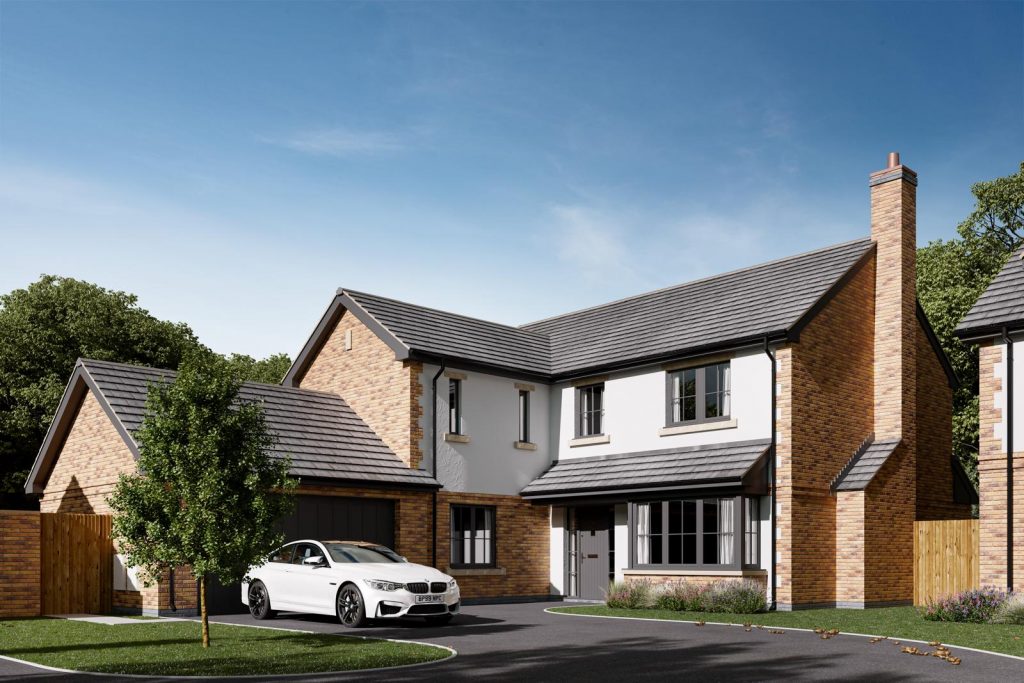
Architectural drawings are essential for construction. Yet for many people outside the design industry, they are difficult to interpret. Lines, elevations and technical measurements rarely communicate how a building will actually look once it exists in the real world. This is why the photorealistic architectural render has become one of the most valuable tools in modern property development. A high quality render transforms technical plans into detailed visuals that look like real photographs. Architects can present their ideas clearly. Developers can show investors the potential of a project. Planning officers can assess visual impact with confidence. Across the UK construction industry, photorealistic rendering now plays a critical role in planning submissions, design communication and property marketing. When produced professionally, these images do far more than simply illustrate a building. They simulate real world lighting, materials and environmental conditions so accurately that viewers feel they are looking at a finished development rather than a digital model. Understanding what makes a render truly photorealistic reveals why this technology has become essential for architects, planners and developers. What Is a Photorealistic Architectural Render? A photorealistic architectural render is a computer generated image created using advanced 3D modelling and rendering technology. Its purpose is to represent a proposed building as realistically as possible before construction begins. Unlike conceptual sketches or simplified visualisations, photorealistic renders simulate the behaviour of light, materials and environmental elements. A professional architectural render typically includes: • accurate building geometry based on architectural drawings• detailed material textures such as brick, stone and glass• realistic lighting conditions• surrounding environmental context• people, vehicles and landscaping elements These components work together to create a visual that appears authentic to the human eye. For clients and planning authorities, this realism makes it far easier to understand the scale, appearance and impact of a proposed development. Why Photorealistic Architectural Renders Matter in Development Architectural projects involve many decision makers. Designers must communicate with planners, investors, engineers and future buyers. Technical drawings alone rarely provide enough clarity for these audiences. Photorealistic rendering solves this problem by translating design information into visual form. The benefits include: • clearer communication of architectural design• improved planning application presentations• better engagement with local communities• stronger investor presentations• effective marketing of developments before completion For planning submissions, these visuals allow authorities to understand how a building will integrate into the surrounding environment. Examples of these visuals can be seen in thearchitectural CGI visualisations services provided by Joanna James, where photorealistic renders are used for planning, design communication and property marketing. Key Elements That Make a Render Photorealistic Producing a convincing architectural render requires both technical expertise and artistic judgement. Several key components determine whether a visual feels realistic or artificial. Realistic Lighting Simulation Lighting is often the single most important factor in photorealism. In the physical world, light interacts with surfaces in complex ways. It reflects, scatters and changes colour depending on time of day and weather conditions. Advanced rendering engines replicate these behaviours digitally. Important lighting elements include: • sunlight direction and intensity• ambient environmental light• soft shadow transitions• reflections from glass surfaces• interior lighting behaviour When lighting behaves realistically, the image instantly feels more believable. High Detail Materials and Surface Textures Buildings are made from a wide range of materials. Brick, timber, concrete, glass, metal and stone all interact with light differently. Professional architectural visualisation recreates these properties using detailed texture maps and physical material settings. Examples include: • brick surface roughness• stone colour variation• glass transparency and reflections• timber grain patterns• weathering and subtle imperfections These details may seem small, yet they play a major role in convincing the viewer that the scene is real. Accurate Environmental Context Architecture is always part of a wider landscape. A photorealistic render must therefore show how the building sits within its surroundings. Typical contextual elements include: • trees and planting• neighbouring buildings• streets and pavements• vehicles and pedestrians• sky and weather conditions These additions help viewers understand scale and atmosphere while also showing how the development integrates into its environment. Correct Scale and Proportion Accuracy in scale is essential. Architectural renders are created using dimensions taken directly from architectural drawings and survey data. This ensures that every element matches real world measurements. Examples include: • building heights• window proportions• road widths• landscaping scale• vehicle dimensions When scale is incorrect, viewers quickly notice that something feels unnatural. Professional Camera Composition A render is not simply a model viewed from any angle. Camera composition strongly influences how a building is perceived. Experienced visualisation artists use techniques borrowed from architectural photography. These include: • perspective alignment• focal length selection• balanced framing• realistic depth of field These decisions help highlight the design while maintaining realism. Types of Architectural Visualisation Used in Development Architectural visualisation is used throughout the design and development process. Several render types serve different purposes. Exterior Architectural Renders Exterior CGI images show the full appearance of a building within its surroundings. They are commonly used for: • planning applications• marketing materials• development websites• property brochures Interior Architectural Visualisations Interior renders present rooms such as kitchens, living spaces, offices and communal areas. They help potential buyers visualise interior layouts, materials and lighting conditions. Photomontage Planning Visuals Photomontage combines a real photograph of a location with a digital model of the proposed building. Planning authorities frequently request these visuals because they clearly show how a development will appear within the existing streetscape. Aerial Development Visualisations Large housing or commercial developments are often shown using aerial CGI. These visuals illustrate the full layout of roads, green spaces and buildings within the wider landscape. How Photorealistic Renders Support Planning Applications Planning authorities must carefully assess how developments affect local surroundings. Photorealistic visualisations allow planners to evaluate proposals more easily. Typical planning visuals include: • verified views• street level perspectives• aerial development images• contextual photomontage visuals These visuals reduce misunderstandings and help communities understand how developments will change their area. UK planning guidance resources also emphasise the importance of clear visual communication when presenting development proposals. Clear
CGI Visualisations for Planning Applications UK Guide
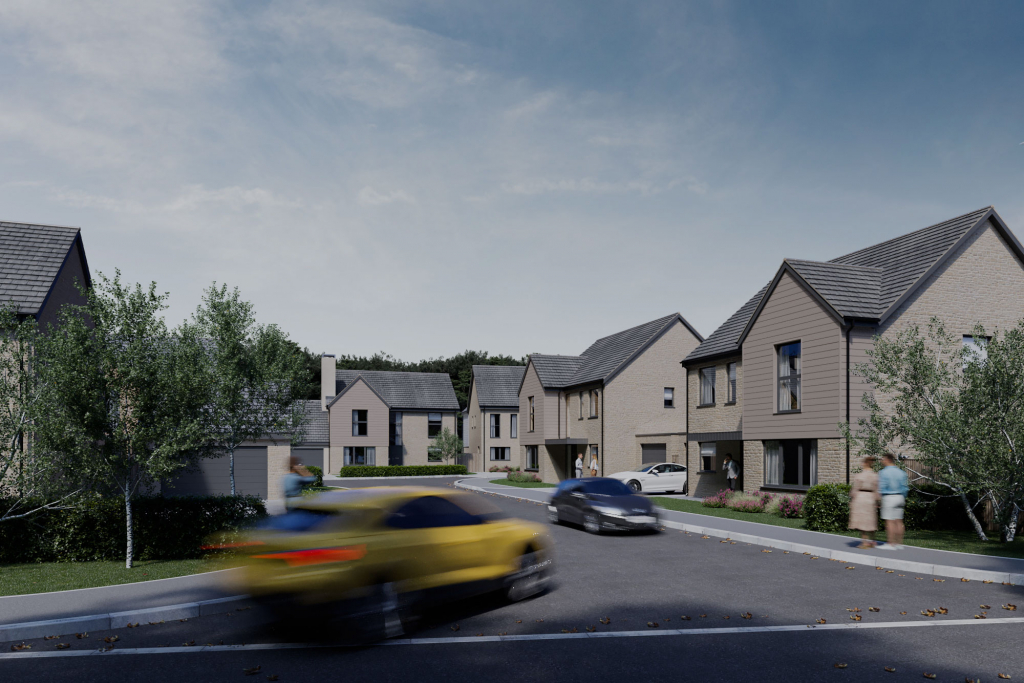
Planning applications in the UK rely on clear communication. Architectural drawings provide technical detail, yet many stakeholders struggle to visualise how a proposed building will appear once constructed. Planning officers, committee members and local residents must understand the real impact of a development before permission can be granted. This is why CGI visualisations for planning applications UK have become an essential part of modern planning submissions. Photorealistic CGI images translate architectural plans into realistic visuals that show exactly how a project will sit within its surroundings. They allow decision makers to evaluate scale, design and visual impact quickly. For developers, architects and planning consultants, these visuals often strengthen planning submissions and improve the clarity of proposals submitted to local authorities.If you want to see real examples of planning-ready visuals, exploreCGI Visualisation Services Why CGI Visualisations Matter in UK Planning Applications Planning officers assess a wide range of factors when reviewing development proposals. These include: • architectural quality• building scale• visual impact on the surrounding area• neighbourhood character• integration with existing infrastructure Technical drawings alone rarely communicate these factors clearly. CGI planning visuals solve that problem by presenting developments in a realistic and understandable format. A high quality planning visual can show: • the building within its real streetscape• the relationship to neighbouring properties• landscaping proposals• pedestrian viewpoints• architectural materials and design features This visual clarity helps planners interpret proposals faster and with greater confidence. How CGI Visualisations Improve Planning Approval Success While visuals do not guarantee planning permission, they often improve how proposals are understood. Several factors explain why CGI imagery is valuable during planning. Clear Representation of Building Scale Architectural elevations provide measurements and proportions. However, scale can still be difficult for non specialists to interpret. CGI renders illustrate how tall or prominent a development will appear within its surroundings. This helps planning authorities evaluate: • overshadowing• building massing• skyline impact• relationship to nearby properties When scale is clearly communicated, planning officers can assess proposals more efficiently. Better Communication With Communities Public consultation is often required for larger developments. Residents may review planning documents but struggle to interpret technical drawings. CGI imagery helps residents understand proposals instantly. Visualisations can show: • proposed housing layouts• streetscape integration• landscape improvements• the overall appearance of new buildings Clear visuals reduce misunderstanding and encourage more constructive community feedback. Stronger Planning Documentation Planning submissions typically include supporting reports such as: • Design and Access Statements• Heritage Statements• Landscape and Visual Impact Assessments• Environmental Impact Assessments CGI visuals support these documents by providing visual context. For example, a Design and Access Statement may describe how a building integrates with its environment. A CGI render demonstrates that relationship clearly. The UK Government’s design guidance for planning applications emphasises the importance of clear and effective design communication. Key Elements of High-Quality Planning CGI Not all architectural renders are suitable for planning submissions. Planning CGI must prioritise accuracy and context. Professional visualisation studios combine several data sources to produce reliable imagery. Architectural 3D Modelling Architectural drawings are converted into detailed 3D models. These models ensure the building’s proportions, materials and design features accurately match the architectural plans. This modelling stage forms the foundation of realistic planning visuals. Ordnance Survey Mapping Integration Accurate location context is essential for planning imagery. Many CGI studios integrate Ordnance Survey mapping data to ensure developments are positioned correctly within their environment. OS mapping provides geographic reference for: • surrounding buildings• roads and infrastructure• land boundaries• terrain levels More information on UK mapping standards can be found via Ordnance Survey mapping and geographic data resources. Realistic Environmental Context Planning visuals must represent the real environment. This may include: • surrounding houses• existing street layouts• vegetation and landscaping• public spaces Combining architectural modelling with site photography helps create realistic planning perspectives. CGI Visualisations for Residential Developments Housing developments rely heavily on CGI imagery during the planning stage. Local planning authorities evaluate how new housing will affect neighbourhood character. Planning visuals help demonstrate: • housing density• street design• architectural style• landscape integration Residential CGI images also serve a second purpose. Once planning permission is granted, developers often reuse these visuals for property marketing. Examples of residential CGI can be seen here:New Build Development CGI Visuals Mapping and Spatial Data in Planning Visualisations Accurate CGI depends on reliable spatial data. Mapping information ensures developments are positioned correctly relative to the surrounding environment. Key datasets often include: • topographic surveys• Ordnance Survey mapping layers• terrain models• site boundary data Many planning teams manage this information through digital mapping platforms. Joanna James provides a central mapping platform designed for development teams.Explore the platform here: Joanna James Map Portal When Should CGI Visualisations Be Created? Timing is important for planning visuals. Ideally, CGI imagery should be produced during the planning preparation phase, once the architectural concept is established. At this stage: • building massing is defined• key design elements are known• planning documents are being prepared Creating visuals early allows them to support multiple elements of the planning submission. Late stage visuals are less effective because they cannot strengthen supporting documents. Professional CGI vs Basic Visualisations Some planning teams attempt to produce simple visuals internally. However, professional planning CGI requires specialist expertise. Professional visualisation studios combine: • architectural modelling• mapping data• survey information• environmental context modelling This ensures the final imagery accurately represents the development. Poor or inaccurate visuals can create confusion during planning reviews. High quality CGI strengthens credibility and improves how proposals are understood. Frequently Asked Questions Are CGI visualisations required for planning applications? CGI visuals are not mandatory for every planning submission. However, they are commonly used for medium and large developments because they help planning officers evaluate proposals clearly. How many CGI images are used in a planning submission? Most planning applications include three to eight CGI viewpoints showing the development from different perspectives. Can CGI visuals help reduce planning objections? Yes. Clear visuals reduce confusion during public consultation. When residents understand the proposal visually, discussions focus on the real design rather than assumptions.